purple plum aesthetics blog
Best Whitening Gel for Sensitive Teeth: Effective Options
Whitening teeth with sensitivity requires a careful approach. Choosing the best whitening gel for sensitive teeth allows you to achieve a brighter smile without discomfort. Many teeth whitening products promise quick results, but people with sensitive teeth need formulas that protect enamel and gums while lifting stains effectively. For those looking for professional guidance, Whitening for Sensitive Teeth provides safe and effective options tailored for sensitive teeth.
Understanding Sensitive Teeth and Whitening
Tooth sensitivity occurs when enamel wears down or gums recede, exposing nerves to stimuli. Using standard teeth whitening gels or whitening strips with higher peroxide concentration can worsen sensitivity, causing temporary pain or irritation. Selecting products with potassium nitrate, fluoride, or gentle formula bleaching agents can reduce sensitivity while still providing noticeable whitening results.
People with sensitive teeth should avoid acidic foods or harsh abrasive ingredients during whitening treatments. Maintaining good oral hygiene supports enamel strength and enhances the effectiveness of whitening methods.
Key Ingredients for Sensitive Whitening
Safe and effective teeth whitening depends on the right ingredients:
- Potassium nitrate: Helps reduce sensitivity and soothe nerves during the whitening process
- Carbamide peroxide or lower concentration hydrogen peroxide: Effective whitening agent that lifts extrinsic stains without damaging enamel
- Mild abrasives like hydrated silica: Remove surface stains gently without causing gum sensitivity
- Fluoride: Strengthens enamel to prevent tooth decay and supports oral health
These components make it possible to whiten teeth safely at home or through professional treatment while protecting teeth and gums.
Top Whitening Gels and Products for Sensitive Teeth
Many teeth whitening gels, whitening strips, and teeth whitening kits are designed for sensitive teeth. Here are some of the most effective options:
Opalescence Sensitive Whitening Gel
Opalescence contains potassium nitrate and fluoride for a gentle formula that reduces tooth sensitivity. It provides noticeable whitening results in just a few uses and can be applied using custom-fitted trays for professional treatment at home.
Crest 3D White Gentle Whitening Products
Crest offers whitening toothpastes, whitening strips, and Crest whitening emulsions formulated for sensitive teeth. These products gradually remove extrinsic stains and surface stains while strengthening enamel for effective whitening.
Sensodyne Extra Whitening Toothpaste
Sensodyne Extra Whitening toothpaste combines enamel protection with stain removal. It is ideal for people with gum sensitivity who want a gentle formula to achieve whiter teeth over time without pain.
Professional Whitening at the Dentist's Office
Professional whitening or Zoom whitening treatments performed in a dentist's office use a higher peroxide concentration combined with LED light to deliver noticeable results quickly. Dentists provide custom-fitted trays or professional treatment solutions to reduce sensitivity during the bleaching process.
At-Home Whitening Kits
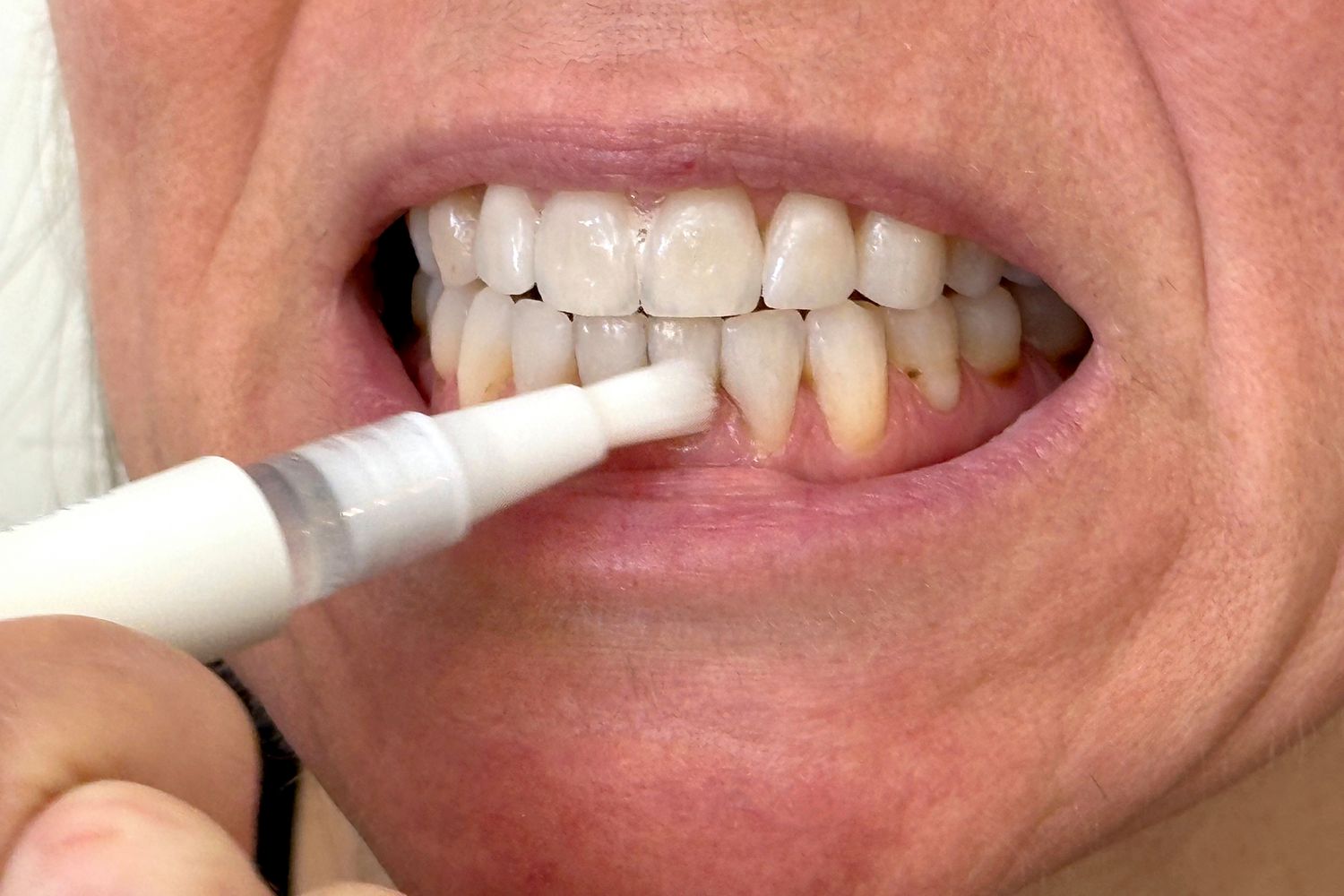
Teeth whitening kits and whitening pens designed for sensitive teeth provide flexibility and convenience. Using carbamide peroxide or lower-concentration hydrogen peroxide in custom-fitted trays allows users to whiten teeth safely at home while gradually lifting stains and achieving a radiant smile.
Tips for Whitening Sensitive Teeth Safely
Implementing the right techniques enhances results and reduces discomfort during the whitening process:
- Start with just a couple of applications to test tolerance
- Avoid acidic foods during teeth whitening treatments
- Use desensitizing toothpaste before or after whitening at home
- Maintain good oral hygiene to protect enamel and support oral health
- Consider professional treatment if sensitivity persists for long-term whitening results
Following these tips ensures that whitening sensitive teeth is effective and pain-free, providing a confident smile.
Types of Whitening Products
Different whitening products are suitable for varying levels of tooth sensitivity:
- Whitening strips: Convenient and effective for surface stains
- Whitening gels: Applied with trays or pens for customized whitening
- Whitening toothpastes: Mild abrasives for daily maintenance and gradual whitening
- Professional treatment: Offers fast whitening results using bleaching agents under supervision
Combining the right whitening solution with proper technique ensures safe and noticeable results.
Understanding Stains and How Whitening Works
Teeth stains can be intrinsic or extrinsic. Extrinsic stains are caused by foods, beverages, and smoking, and respond well to whitening treatments. Intrinsic stains are deeper and often require a professional whitening or bleaching process for optimal results.
Removing surface stains with mild abrasives, hydrogen peroxide, or carbamide peroxide can gradually lift discoloration and restore a brighter smile. For long-term maintenance, practicing good oral hygiene and avoiding staining foods supports whiter teeth.
Additional Natural Aids
Some natural ingredients may complement teeth whitening:
- Coconut oil for oil pulling to maintain oral health
- Lemon peel oil in small amounts to brighten teeth safely
These methods can support traditional whitening gels or whitening toothpastes, but professional or at-home whitening kits remain the most effective options.
When to Consult a Dental Professional
Persistent tooth sensitivity or discomfort during whitening treatments may indicate tooth decay, dental restorations, or gum issues. A dental professional can provide custom-fitted trays, adjust bleaching agents, and recommend whitening methods tailored for safe and effective whitening.
For safe and professional guidance, Purple Plum Dentistry offers a full range of teeth whitening gels, professional whitening, and home teeth whitening kits designed for sensitive teeth.
Enhance your smile
Get Started Today
Schedule your consultation with our expert dental team and regain your confidence!
Medically reviewed by Dr. Anita Kianimanesh, D.M.D.
Last reviewed September 14, 2026
Founder & Owner, Purple Plum Dentistry
Benefits of Periodontal Therapy
Periodontal therapy offers several significant benefits that extend beyond just oral health. Here are four key benefits:
One of the primary benefits of periodontal therapy is the prevention of tooth loss. Periodontal disease, if left untreated, can lead to the destruction of the bone and connective tissue that support the teeth.
Periodontal disease is associated with chronic inflammation, which can have adverse effects on overall health. By treating periodontal disease, patients can reduce systemic inflammation, potentially lowering the risk of related health conditions such as cardiovascular disease, diabetes, and rheumatoid arthritis.
Periodontal therapy helps improve oral hygiene by thoroughly cleaning the pockets around the teeth, which are difficult to clean with regular brushing and flossing alone.
Healthier gums appear firm and pink, which contributes to an overall more attractive smile. Additionally, periodontal treatment can stabilize teeth and prevent further recession, helping patients maintain a youthful and confident appearance.