purple plum aesthetics blog
What Are Tooth Colored Fillings?
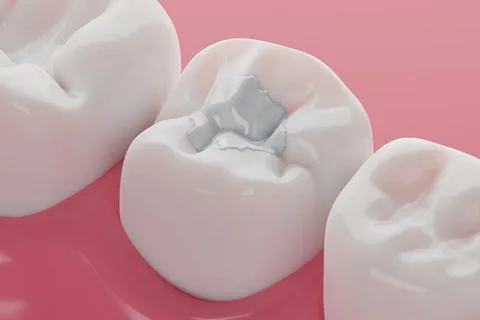
If you have a cavity, you may be wondering what tooth-colored fillings are and why a dentist might recommend them instead of a traditional metal restoration. Tooth colored fillings are restorations made from composite resin that can be matched to the shade of your natural teeth. They are used to repair areas affected by tooth decay, small chips, cracks, or other minor damage while maintaining a natural appearance.
Unlike noticeable metal restorations, composite material can blend closely with the surrounding enamel. The filling is placed directly into the prepared area of the tooth, shaped to restore its natural form, and hardened before being polished. Understanding how these fillings work, when they are used, and how to care for them can help you make a more informed decision about restorative dental treatment.
What Are Tooth Colored Fillings?
Tooth colored fillings are dental restorations designed to repair a tooth after decay or minor damage has removed part of its natural structure. They are commonly made from composite resin, a material that can be shaped and colored to resemble natural enamel.
During treatment, the dentist removes the damaged portion of the tooth and prepares the remaining structure. The composite material is then placed into the prepared area and carefully shaped. A special curing light hardens the material before the dentist adjusts and polishes the restoration.
The finished filling restores the tooth's shape and allows it to function during normal biting and chewing. Because the material can be matched to the surrounding tooth, the restoration is much less noticeable than many traditional filling materials.
Why Are They Called Tooth Colored Fillings?
The name comes from their appearance. Composite resin can be selected to closely match the natural shade of the tooth being repaired.
A dentist can consider the color of the surrounding enamel when selecting the appropriate shade. This is particularly useful when restoring teeth that are visible when you smile or speak.
The result is a restoration that can blend into the tooth rather than creating a contrasting spot.
What Are Composite Fillings?
If you are asking what composite fillings are, they are restorations made from a tooth colored resin material that is bonded directly to the tooth. Composite fillings can be used for cavities and certain forms of minor tooth damage.
The material is applied to the prepared tooth in layers. Each layer is hardened with a curing light before another layer is added. This allows the dentist to build the restoration gradually and shape it to fit the tooth.
Once the material has hardened, the dentist checks the restoration and adjusts its shape. Polishing gives the surface a smooth finish that feels more natural against the tongue.
How Does Composite Resin Work?
Composite resin contains a resin component combined with finely ground filler particles. The combination produces a material that can be shaped while it is being placed and hardened once the desired form has been created.
Bonding techniques allow the material to adhere to the prepared tooth. This can help the restoration stay securely in place while restoring the missing portion of the tooth.
The dentist also shapes the material to work with your natural bite. A filling should not simply fill the cavity. It needs to recreate enough of the tooth's form for comfortable daily function.
What Are Tooth Colored Dental Fillings Used For?
Tooth colored dental fillings are most commonly used to treat cavities. When decay creates a hole or weakened area in a tooth, the affected tissue is removed and the resulting space can be restored with composite material.
They can also be used for certain small chips or worn areas. In some cases, composite resin can restore the shape of a tooth without requiring a more extensive restoration.
The suitability of a filling depends on the condition of the tooth. A small or moderate area of damage may be appropriate for composite restoration, while a tooth with extensive structural loss may require another type of treatment.
Treating Cavities
A cavity occurs when tooth structure is damaged by decay. If left untreated, the affected area can become larger and may eventually compromise more of the tooth.
During a filling appointment, the dentist removes the decayed portion and cleans the area. Composite resin is then placed into the prepared space to restore the missing structure.
Early treatment can allow more healthy tooth structure to remain. The specific approach depends on the size and location of the cavity.
Repairing Minor Tooth Damage
Composite resin can sometimes be used to repair small chips or imperfections in a tooth. Because the material can be shaped and polished, it can restore areas where a small amount of enamel has been lost.
The dentist evaluates the cause and extent of the damage before deciding whether a filling is suitable. Larger fractures may require a different restoration.
How Are White Dental Fillings Placed?
The process for placing white dental fillings begins with an examination of the affected tooth. The dentist determines the extent of the damage and identifies the most appropriate way to restore it.
The tooth is prepared by removing decay or damaged structure. Once the area is clean, the tooth is prepared for bonding.
Composite resin is placed into the prepared area in small increments. Each layer is hardened with a curing light. This process gives the dentist control over the shape and allows the restoration to be built up gradually.
After the material has hardened, the dentist checks your bite and makes any necessary adjustments. The filling is then polished to create a smooth surface.
Why Is the Filling Built in Layers?
Composite material is often placed in layers rather than as one large amount. Building the filling gradually gives the dentist greater control over its shape and contour.
Each layer is cured before the next is added. Once the final layer is shaped, the dentist can refine the restoration so it fits naturally with the surrounding tooth.
This careful process helps create a restoration that feels comfortable and looks natural.
What Are Composite Resin Fillings Made Of?
Composite resin fillings are made from a resin-based material containing inorganic filler particles. The material is designed for dental use and can be shaped while being placed inside the tooth.
Its appearance is one of its main advantages. Composite can be selected in a shade that closely resembles the patient's natural tooth.
The material also bonds to the tooth through dental adhesive techniques. This bonding allows the dentist to restore the damaged area while preserving the surrounding healthy structure.
How Is the Color Chosen?
Shade selection is an important part of restoring visible teeth. Natural teeth are not always one uniform color, so the dentist considers the surrounding enamel when selecting the composite shade.
Lighting conditions and the appearance of nearby teeth can also affect how the restoration looks. The goal is to create a result that fits naturally within the smile.
Over time, natural teeth can change color because of aging and exposure to foods and drinks. Composite restorations may not change color at exactly the same rate as natural enamel.
Are Tooth Colored Fillings Strong?
Composite fillings can provide reliable function for many patients. Their performance depends on factors such as the size of the restoration, its location, the condition of the tooth, and the forces placed on it.
Back teeth receive considerable pressure during chewing. A large filling in a molar can therefore experience more stress than a small restoration on a front tooth.
Your dentist considers these factors before recommending a filling. When a tooth has lost too much structure, a crown or another restoration may provide more appropriate coverage.
Can They Be Used on Back Teeth?
Yes, composite fillings can be used on back teeth when the tooth and restoration are suitable for the material. Modern composite materials can provide good function when properly placed.
The size of the cavity and the amount of remaining tooth structure matter when deciding whether composite is appropriate. Your bite and chewing forces are also considered.
What Are the Benefits of Tooth Colored Fillings?
One major benefit is their natural appearance. Composite resin can be matched to the tooth, making the restoration much less visible when you smile.
Another advantage is that composite can bond directly to the tooth. This allows the dentist to restore the damaged area while preserving healthy tooth structure around it.
The material can also be shaped precisely. This makes it possible to recreate the contours of the original tooth and adjust the restoration to your bite.
Patients who want a natural-looking approach to cavity treatment may appreciate the appearance and versatility of composite restorations.
How Long Do Tooth Colored Fillings Last?
The lifespan of a composite filling varies from person to person. A small filling may remain in good condition for many years, while larger restorations or fillings exposed to heavy chewing forces may require attention sooner.
Oral hygiene has an important role in maintaining the natural tooth around the filling. The composite itself does not develop cavities, but the surrounding tooth can still develop decay.
Grinding and clenching can also place additional pressure on restorations. Regular dental examinations allow your dentist to check existing fillings and identify signs of wear, cracking, or problems around the edges.
How Should You Care for Tooth Colored Fillings?
Caring for a filling is much like caring for your natural teeth. Brush twice daily and clean between your teeth regularly to remove plaque from areas that a toothbrush cannot reach effectively.
Avoid using your teeth to bite hard objects. Excessive pressure can affect both natural enamel and dental restorations.
Regular dental appointments are also important. Your dentist can monitor the filling and the surrounding tooth over time.
If you notice sensitivity, discomfort when biting, a crack, a rough edge, or a filling that feels loose, arrange an examination. Addressing a problem early can help prevent further damage to the tooth.
Are Tooth Colored Fillings Right for Everyone?
Not every damaged tooth is best treated with a composite filling. The decision depends on the amount of healthy tooth structure remaining, the size of the cavity, the location of the tooth, and the forces it experiences.
A small cavity may be repaired effectively with composite resin. A heavily damaged tooth may need a restoration that covers more of its structure.
Your dentist can examine the tooth and explain the available options. The goal is to choose a restoration that provides appropriate support while fitting your functional and cosmetic needs.
Choosing Tooth Colored Fillings for Your Smile
Understanding what tooth-colored fillings are is helpful when comparing your restorative options. Composite fillings provide a way to repair damaged tooth structure while maintaining a natural appearance.
For patients considering this type of treatment, tooth colored fillings can provide a natural-looking approach to restoring teeth affected by decay or minor damage.
At Purpleplum Dentistry, dental care is provided in an elegant and comfortable spa-like environment. Private rooms are available for major procedures, while a private consultation room gives patients a comfortable space to discuss treatment and review their options with the dental team.
The Bottom Line
So, what are tooth colored fillings? They are composite resin restorations used to repair cavities and certain areas of minor tooth damage while closely matching the natural appearance of your teeth. Their color, versatility, and ability to bond with tooth structure make them a common choice for restorative care. Proper brushing, cleaning between your teeth, regular dental visits, and sensible habits can help keep both the filling and the surrounding tooth in good condition.
Visit Purple Plum Dentistry in Falls Church, VA
Purple Plum Dentistry, Falls Church, VA
800 W Broad St, Suite 207, Falls Church, VA 22046
703-998-4244
Opening hours:
Monday: 7:30 AM–4 PM
Tuesday: 7:30 AM–4 PM
Wednesday: 7:30 AM–4 PM
Thursday: Closed
Friday: 7:30 AM–4 PM
Saturday: Closed
Sunday: Closed
A consultation takes about 45 minutes. We photograph your smile, talk through your treatment options and cost, and you leave with a written plan. There is no pressure to book treatment on the day.
Benefits of Periodontal Therapy
Periodontal therapy offers several significant benefits that extend beyond just oral health. Here are four key benefits:
One of the primary benefits of periodontal therapy is the prevention of tooth loss. Periodontal disease, if left untreated, can lead to the destruction of the bone and connective tissue that support the teeth.
Periodontal disease is associated with chronic inflammation, which can have adverse effects on overall health. By treating periodontal disease, patients can reduce systemic inflammation, potentially lowering the risk of related health conditions such as cardiovascular disease, diabetes, and rheumatoid arthritis.
Periodontal therapy helps improve oral hygiene by thoroughly cleaning the pockets around the teeth, which are difficult to clean with regular brushing and flossing alone.
Healthier gums appear firm and pink, which contributes to an overall more attractive smile. Additionally, periodontal treatment can stabilize teeth and prevent further recession, helping patients maintain a youthful and confident appearance.