purple plum aesthetics blog
What Are Implant Dentures A Complete Guide
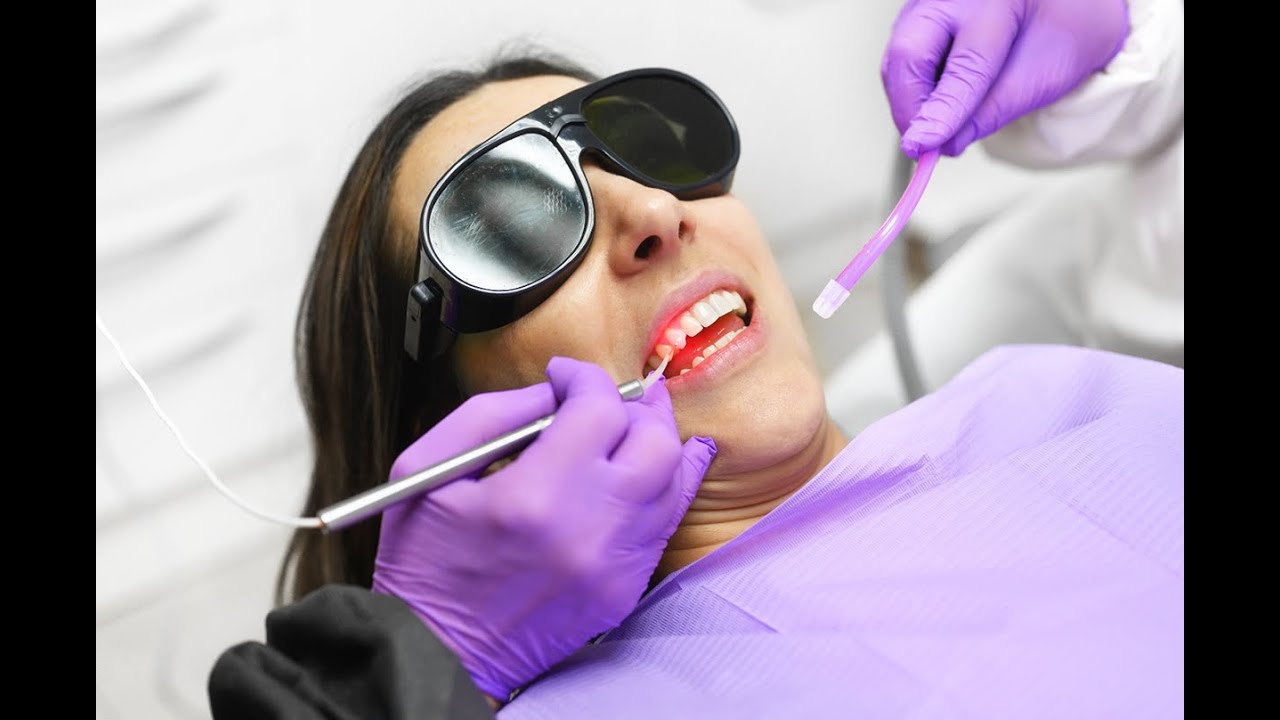
Implant supported dentures are an advanced solution for replacing multiple missing teeth. Unlike conventional dentures that rest on the gum tissue, implant dentures attach to dental implants and implant-supported dentures at Purple Plum Dentistry, providing enhanced stability and a stable foundation for new teeth. This treatment helps patients smile confidently while restoring chewing function and preserving jawbone density. Understanding implant supported dentures is crucial for anyone considering replacing missing teeth with a natural appearance and improved functionality.
What Are Implant Dentures
Implant dentures are prosthetic teeth secured to dental implants surgically placed in the jaw. These implants act like natural teeth roots, stimulating the jawbone and preventing bone loss that occurs with conventional dentures. Many patients find that implant dentures feel more natural and offer superior comfort compared with regular dentures. They are ideal for those who want to replace multiple missing teeth or a full arch of teeth with a solution that mimics the stability and function of natural teeth.
Dental implant surgery is typically a minor surgery performed under local anesthesia. During the procedure, implants are inserted into the jawbone to create a stable foundation. Once the healing process is complete, the final denture is attached using either bar retained dentures or ball retained dentures depending on the treatment plan designed by your dental team.
Benefits of Choosing Implant Supported Dentures
Enhanced Stability and Function
One of the major benefits of implant supported dentures is improved stability. Unlike traditional dentures, which can slip or shift over the gums, dental implant dentures remain securely in place. This stability allows patients to chew a wider range of foods, including their favorite foods, without discomfort or worry. Many patients report that the new implant supported dentures feel almost like natural teeth, providing a natural look and better functionality.
Preservation of Jawbone and Oral Health
Dental implants stimulate the jawbone similar to natural teeth roots. Without stimulation, bone loss can occur over time, leading to changes in facial structure and gum tissue. By replacing missing teeth with implant dentures, patients can prevent bone loss and maintain jawbone density. Proper care, including visiting a dentist regularly, and cleaning with a soft bristled toothbrush, helps sustain the health of the gums, bone, and implants for long term success.
Improved Self Esteem and Smile Confidence
Many patients experience a boost in self esteem after choosing implant supported dentures. A natural appearance and secure fit allow individuals to smile, speak, and eat confidently. Unlike conventional dentures, which may cause discomfort or insecurity due to movement, implant dentures provide a reliable and long lasting solution. Patients looking for comprehensive restorative dentistry services often combine implant dentures with other dental treatments for overall oral health improvement.
Types of Implant Dentures
Fixed Dentures
Fixed dentures are permanently attached to dental implants and can only be removed by a dentist. They provide a stable foundation and are most similar to natural teeth in appearance and function. Fixed dentures are a great option for patients who want the feel of natural teeth and improved chewing ability.
Removable Dentures
Removable implant supported dentures, often using ball retained dentures or bar retained dentures, attach securely to implants but can be removed for cleaning. This option allows easier maintenance and flexibility while still offering more stability than regular dentures.
Partial Denture Solutions
For patients with several teeth missing, partial dentures supported by implants are an effective choice. This approach replaces only the missing teeth while preserving the surrounding natural teeth, gums, and bone. It is especially useful for those who are not ready for full arch replacement.
Candidacy for Implant Dentures
Good candidates for implant dentures should have sufficient jawbone density or be willing to undergo bone grafting or minor bone augmentation. Dental implants require enough bone to secure them, and patients with bone loss may need a bone graft to become eligible. Other factors include overall health, absence of untreated gum disease, and medical history evaluation. Patients with controlled medical conditions can usually proceed with dental implant surgery safely.
A dentist will also assess oral health, gums, and nerve location to avoid nerve damage during implant placement. Many patients are surprised how minor the procedure is, with local anesthesia and healing caps used to facilitate a smooth recovery. Choosing implant supported dentures involves a personalized treatment plan based on jaw structure, number of teeth missing, and desired outcome.
The Procedure Step by Step
- Consultation and Planning
The dental team reviews medical history, evaluates oral health, and designs a treatment plan. Jawbone density and overall health are assessed to determine whether bone grafting is needed. - Dental Implant Surgery
Implants are placed into the jawbone under local anesthesia. This minor surgery allows the implants to act like natural teeth roots, providing stability for the final denture. The healing process typically takes a few months to allow proper integration with the bone. - Abutment and Healing Cap Placement
After initial healing, abutments and healing caps are attached to the implants. This stage ensures the gums and bone adapt correctly before the final denture is placed. - Final Denture Placement
The new teeth are attached to the implants using a fixed denture or removable attachment. Adjustments ensure natural appearance, proper bite, and comfort.
Proper Care and Maintenance
Regular care of implant dentures is crucial for long term success. Patients should visit the dentist regularly, brush with a soft bristled toothbrush, floss around implants, and clean any attachments on removable dentures. Monitoring for gum disease and oral health changes helps prevent complications and maintain the health of the jaw, gums, and implants.
Implant Dentures Cost Considerations
Implant supported dentures cost more than traditional dentures due to the surgical procedure, implants, and final prosthesis. Factors affecting cost include the number of dental implants, need for bone graft, and type of denture. While the initial investment is higher, many patients find long term benefits such as enhanced stability, prevention of bone loss, and improved oral health make it worthwhile. Dental insurance may cover parts of the procedure, and patients can discuss financing options with their dental team.
Major Benefits of Implant Dentures
- Natural look and feel similar to natural teeth
- Prevention of bone loss and maintenance of jawbone density
- Improved functionality allowing patients to chew favorite foods
- Enhanced stability for eating, speaking, and smiling confidently
- Long term oral health with proper care and dentist follow up
- Boost in self esteem due to secure fit and natural appearance
Many patients report that replacing missing teeth with implant dentures transforms their quality of life, restoring comfort, function, and confidence in a way conventional dentures cannot match.
Final Thoughts
Choosing implant supported dentures is a strategic decision for oral health, function, and aesthetics. They provide a more stable and natural alternative to regular dentures, stimulate the jawbone to prevent bone loss, and restore smile confidence. Patients considering this treatment should evaluate their jawbone, oral health, and overall health with their dentist regularly. With proper care and maintenance, implant dentures can last for many years, offering a long term solution for multiple missing teeth and a natural look that mimics the feel of natural teeth roots.
Benefits of Periodontal Therapy
Periodontal therapy offers several significant benefits that extend beyond just oral health. Here are four key benefits:
One of the primary benefits of periodontal therapy is the prevention of tooth loss. Periodontal disease, if left untreated, can lead to the destruction of the bone and connective tissue that support the teeth.
Periodontal disease is associated with chronic inflammation, which can have adverse effects on overall health. By treating periodontal disease, patients can reduce systemic inflammation, potentially lowering the risk of related health conditions such as cardiovascular disease, diabetes, and rheumatoid arthritis.
Periodontal therapy helps improve oral hygiene by thoroughly cleaning the pockets around the teeth, which are difficult to clean with regular brushing and flossing alone.
Healthier gums appear firm and pink, which contributes to an overall more attractive smile. Additionally, periodontal treatment can stabilize teeth and prevent further recession, helping patients maintain a youthful and confident appearance.