purple plum aesthetics blog
How Long Does Teeth Whitening Last: A Complete Guide
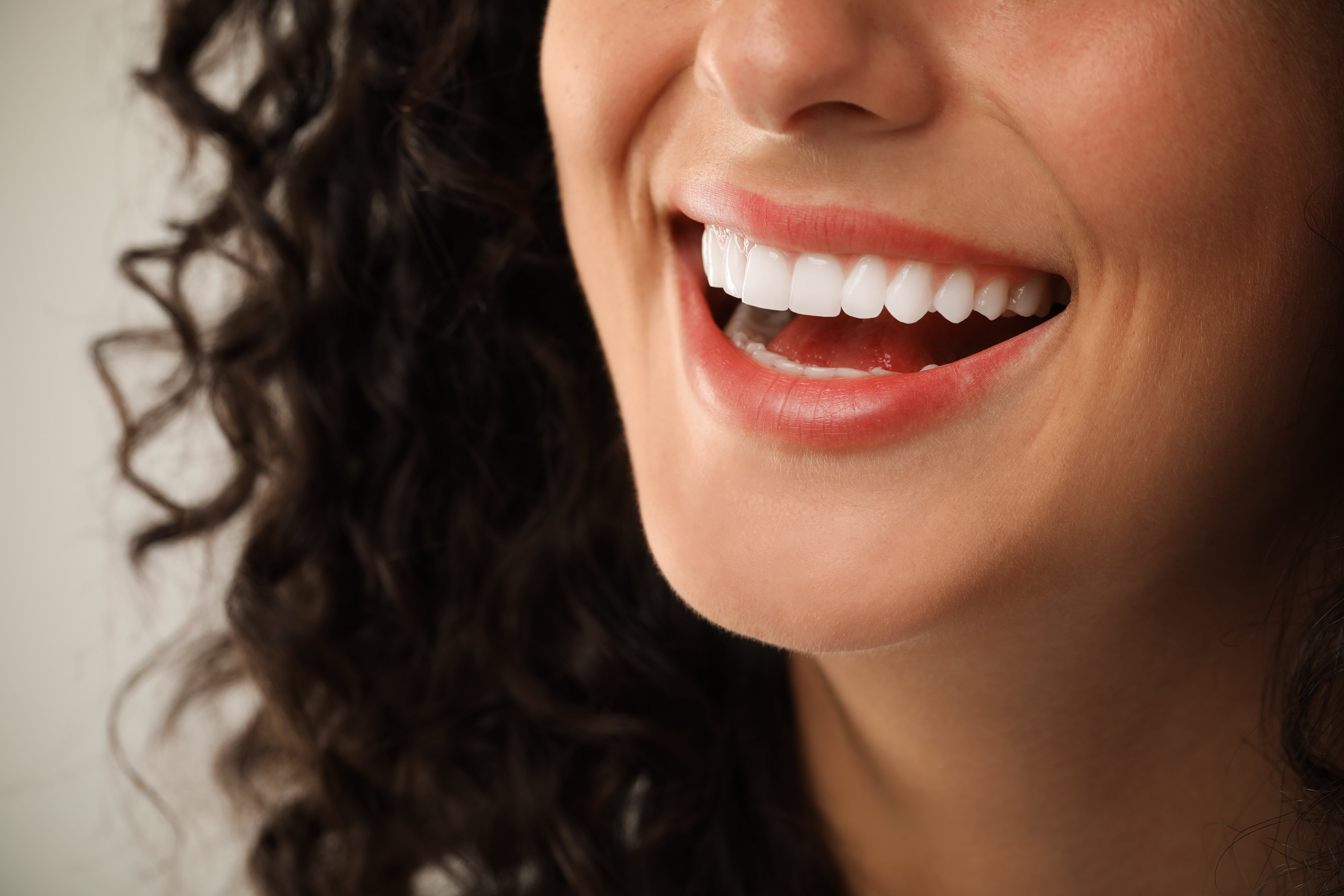
Many people want a brighter smile and wonder how long teeth whitening lasts. Understanding how different teeth whitening methods work and the factors that influence results can help you maintain a radiant, long-lasting smile. This guide explores the duration of teeth whitening results, professional teeth whitening options, at home whitening kits, and practical tips to extend the effects of whitening treatments.
Typical Duration of Teeth Whitening
Professional teeth whitening at the dental office
In office teeth whitening performed by a cosmetic dentist is among the most effective teeth whitening treatments. Using high-concentration bleaching agents like hydrogen peroxide or carbamide peroxide, dental professionals can whiten teeth significantly in just one visit. Newly whitened teeth from in office treatments often maintain a brighter smile for one to three years with proper care and good oral hygiene. In office whitening results are usually longer-lasting compared to over the counter products because professional whitening agents penetrate deeper into the tooth enamel to remove both surface stains and internal stains. For patients looking for expert care and long-lasting results, professional teeth whitening at Purple Plum Dentistry offers advanced solutions that can transform your smile.
Take home whitening kits and at home whitening
Custom take home whitening kits provided by a dental professional are an alternative for patients who prefer gradual whitening. Whitening gel applied in custom trays over several sessions can lighten teeth safely while offering longer results than standard over the counter products. On average, teeth whitening results from at home whitening kits can last six months to one year depending on oral hygiene habits and lifestyle choices.
Over the counter products
Whitening toothpaste, whitening strips, and whitening pens are popular cosmetic dentistry treatments for mild discoloration. These products primarily remove surface stains and are effective for maintaining already whitened teeth. The effects of over the counter products are temporary, lasting a few months up to six months, and require regular use to maintain whiter teeth.
Laser teeth whitening
Laser teeth whitening treatments in a dental office accelerate the whitening process using light energy with bleaching agents. The results from laser teeth procedures are immediate and often comparable to professional teeth whitening in office treatments. Duration of whitening last can range from six months to two years depending on habits that cause teeth staining.
Factors That Influence How Long Teeth Whitening Lasts
Several variables affect how long teeth whitening results remain visible.
Type of whitening agent
Professional whitening uses stronger bleaching agents compared to over the counter products. Hydrogen peroxide and carbamide peroxide are commonly used in professional dental procedures to remove deep stains and extrinsic stains on tooth enamel. At home bleaching kits and over the counter whitening products contain lower concentrations, so the whitening last is shorter.
Surface stains versus deep stains
External stains from coffee, tea, red wine, and smoking cigarettes respond quickly to whitening treatments. Internal stains caused by medications or aging are more resistant and can affect how long teeth whitening lasts.
Lifestyle habits
Staining foods, dark-colored beverages, and smoking cigarettes accelerate tooth discoloration. Rinsing with water, chewing sugar free gum, and moderating consumption of staining foods can help maintain newly whitened teeth.
Oral hygiene habits
Proper oral hygiene is essential to prolong whitening results. Brushing twice daily, flossing once daily, and using a whitening toothpaste can prevent re-staining. Regular professional dental cleanings and maintenance of oral hygiene help sustain a whiter smile.
Age and tooth enamel condition
Older teeth with thinner enamel may stain faster and show reduced whitening results. Younger patients with strong enamel often maintain brighter teeth longer after professional whitening treatments.
Dental restorations
Whitening treatments do not affect crowns, veneers, or composite fillings. Dental restorations may appear darker compared to whitened natural teeth, impacting the perception of whitening results. Patients seeking complete smile enhancement may consider comprehensive cosmetic dentistry services to ensure all teeth match in shade and appearance.
Tips to Maximize Teeth Whitening Results
Immediate care after whitening
The first 48 hours following in office treatments or at home whitening are critical. Tooth enamel is more susceptible to external stains, so avoid coffee, tea, red wine, dark soda, berries, and tomato-based foods. Sticking to light-colored foods and beverages can help teeth remain whiter longer.
Daily maintenance
- Brush with whitening toothpaste or a gentle fluoride toothpaste twice daily
- Floss once a day to remove plaque and prevent staining
- Use whitening pens or take home whitening kits as recommended by a dental professional
- Drink water after consuming staining foods and beverages
- Chew sugar free gum to help maintain a brighter smile
Periodic professional care
Regular visits to a cosmetic dentist for in office treatments or touch-ups can prolong results. Dental professionals can adjust whitening treatments according to individual tooth enamel and types of stains to keep teeth permanently white for longer.
Lifestyle management
Limiting exposure to red wine, coffee, tea, dark chocolate, and smoking cigarettes will reduce teeth staining. Maintaining good oral hygiene and following professional guidance helps teeth whitening last longer.
Realistic Expectations and Maintenance
Whitening treatments are highly effective, but teeth are not permanently white. Professional teeth whitening and in office treatments offer the longest lasting results, while over the counter products are best for maintaining whiter teeth and removing surface stains. On average, in office whitening can last one to three years, at home whitening kits last six months to one year, and over the counter products last several months.
Recognizing when to re-treat
Gradual darkening along the gum line or between teeth signals that it may be time for a touch-up. Maintaining proper oral hygiene and limiting exposure to staining foods can extend the interval between treatments.
Choosing the right teeth whitening method
Patients seeking long teeth whitening lasts often prefer professional teeth whitening at a dentist's office or laser teeth whitening. For moderate results or convenience, at home whitening kits and over the counter products provide an accessible option.
Frequently Asked Questions
Can whitening treatments affect dental restorations
Whitening agents do not change the color of crowns, veneers, or fillings. Dental professionals may recommend replacement or adjustments to match whitening results.
Is whitening safe for sensitive teeth
Professional dental procedures and properly used at home whitening kits are generally safe for most patients. Sensitive teeth may require special bleaching solutions or lower concentrations of whitening agents.
Can daily habits extend whitening results
Yes. Following proper oral hygiene, avoiding staining foods, and using touch-ups such as whitening pens or strips help maintain teeth whitening results.
How quickly do teeth whitening results appear
In office treatments can whiten teeth in about an hour. At home whitening kits and over the counter products may require several days or weeks of consistent use.
Summary
Teeth whitening remains one of the most popular cosmetic dentistry treatments. Professional teeth whitening performed in a dentist's office or using laser teeth provides the most significant and long-lasting results. At home whitening kits and over the counter products are useful for maintaining a brighter smile and removing surface stains. How long teeth whitening lasts depends on factors including the type of whitening agent, surface stains versus deep stains, oral hygiene habits, lifestyle choices, age, and the condition of tooth enamel. Following proper care, dental professional guidance, and consistent oral hygiene supports a whiter smile for months or years.
Benefits of Periodontal Therapy
Periodontal therapy offers several significant benefits that extend beyond just oral health. Here are four key benefits:
One of the primary benefits of periodontal therapy is the prevention of tooth loss. Periodontal disease, if left untreated, can lead to the destruction of the bone and connective tissue that support the teeth.
Periodontal disease is associated with chronic inflammation, which can have adverse effects on overall health. By treating periodontal disease, patients can reduce systemic inflammation, potentially lowering the risk of related health conditions such as cardiovascular disease, diabetes, and rheumatoid arthritis.
Periodontal therapy helps improve oral hygiene by thoroughly cleaning the pockets around the teeth, which are difficult to clean with regular brushing and flossing alone.
Healthier gums appear firm and pink, which contributes to an overall more attractive smile. Additionally, periodontal treatment can stabilize teeth and prevent further recession, helping patients maintain a youthful and confident appearance.