purple plum aesthetics blog
How Long Does It Take for Acne Scars to Fade
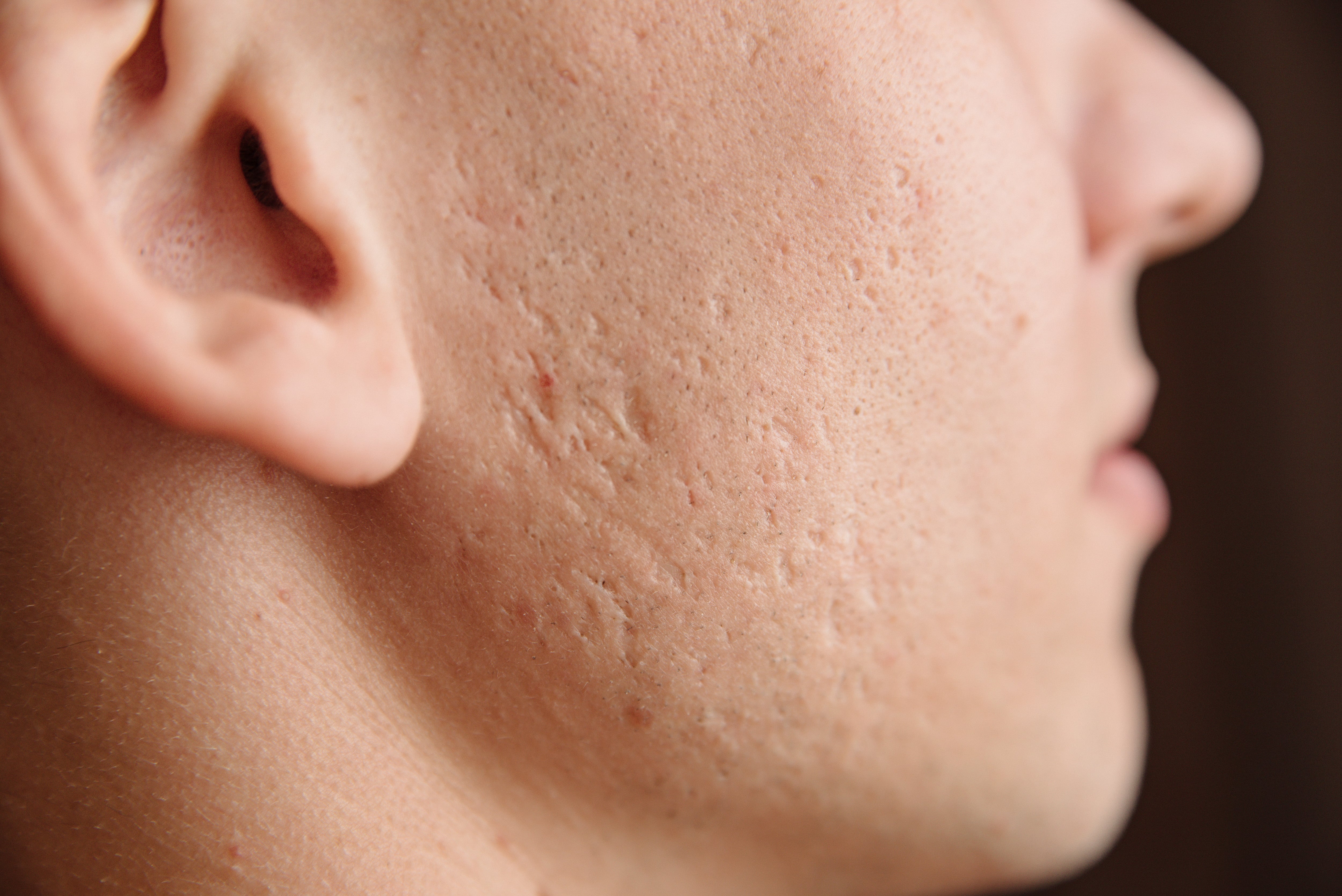
Acne scars are a common concern for anyone recovering from active acne. Understanding how long it takes for acne scars to fade requires examining how scars form, the skin’s natural healing process, and the range of Acne Scar Treatment options available. Everyone’s skin regenerates at a different pace depending on skin type, severity of acne lesions, and whether proper treatment is applied.
What Causes Acne Scars
Acne scars form when inflammation from acne lesions penetrates the deeper layers of the skin, damaging the dermis and surrounding skin. These scars can be atrophic scars, which include boxcar scars, ice pick scars, and depressed acne scars, or raised scars such as hypertrophic scars and keloid scars.
Post-inflammatory hyperpigmentation often appears alongside these scars. This condition occurs when excess melanin production causes dark spots on the skin. People with darker skin tones are more prone to persistent discoloration, while lighter skin tones may fade discoloration more quickly.
Cystic acne is particularly likely to leave deep acne scars because the inflammation affects larger areas and deeper layers of the skin. Dead skin cells, combined with fibrous scar tissue, can further worsen the appearance of indented scars. Prevent acne scars from forming by treating active acne early and maintaining a clean skin routine.
How Long Does It Take for Acne Scars to Fade Naturally
The healing process for acne scars varies depending on the type of scar and the skin’s ability to regenerate. Post-acne marks, such as mild dark spots, may fade naturally within a few months as skin cells regenerate. Younger skin generally heals faster due to more active skin regeneration.
Depressed scars, including indented scars and boxcar scars, often require months or years to show significant improvement. Raised scars, such as hypertrophic and keloid scars, may take longer because excess collagen production can maintain their height above the skin’s surface.
The skin’s natural healing process is gradual. Collagen production helps repair dermal damage over time, and maintaining healthy skin supports this process. Sun exposure can worsen hyperpigmentation, making dark spots more persistent, so daily sun protection is essential to help scars fade naturally.
Factors That Influence Healing Acne Scars
Several factors determine how long it will take for acne scars to fade:
Skin Types
People with lighter skin tones may see post-acne marks fade faster than those with darker skin tones. Excess melanin production can prolong the visibility of discoloration.
Severity of Acne Lesions
Deep acne scars from cystic acne or severe breakouts affect more layers of the skin and take longer to fade.
Skin’s Ability to Regenerate
The skin’s natural ability to heal varies with age. Younger skin regenerates faster, which can reduce the time it takes for acne scars to fade.
Consistency of Skincare Routine
Keeping skin clean, exfoliating with salicylic acid or glycolic acid, and moisturizing to maintain healthy skin can improve skin texture and reduce the appearance of acne marks over time.
Treatments for Acne Scars
While mild post-acne marks may fade naturally, professional treatments can accelerate results and improve skin texture.
Topical Treatments
- Retinoids help stimulate collagen production and increase skin cell turnover.
- Vitamin C promotes even-toned skin and helps fade discoloration
- Azelaic Acid and Niacinamide reduce inflammation and improve skin health
Exfoliating with glycolic acid or salicylic acid removes dead skin cells, improving skin texture and supporting the skin’s surface renewal.
In-Office Treatments
- Chemical Peels remove the top layers of damaged skin, promoting skin regeneration and smoother skin.
- Laser Treatments and Laser Resurfacing use light energy to target deeper layers, reduce scar tissue, and stimulate collagen production.n
- Microneedling creates micro injuries in the skin to trigger collagen production, improving depressed scars and skin texture.
- Dermal Fillers and Injectable Fillers can raise indented scars for immediate improvement with minimal downtime.
These professional treatments for acne scars can be tailored to the severity of scars, skin type, and desired results. A personalized treatment plan ensures proper treatment for existing scars while supporting the skin’s ability to heal post-acne.
Consult Purple Plum Dentistry for a professional approach to treating acne scars and achieving healthier skin.
Healing Process for Different Scar Types
Atrophic Scars
These indented scars require interventions such as microneedling, laser therapy, or dermal fillers to improve skin texture and stimulate collagen production.
Raised Scars
Hypertrophic and keloid scars may benefit from treatments that remodel fibrous scar tissue and reduce collagen overproduction.
Post Inflammatory Hyperpigmentation
Dark spots and discoloration fade more effectively with chemical peels, topical brightening agents, and sun protection.
Deep Acne Scars
Combination treatments that include laser resurfacing, chemical peels, and dermal fillers often yield smoother and even-toned skin over several months.
Tips to Improve Skin’s Natural Healing Process
- Protect skin from sun exposure to prevent worsening hyperpigmentation
- Keep skin clean and free from acne lesions
- Exfoliate carefully to remove dead skin cells without irritating scars
- Maintain a consistent skincare routine to improve skin health and enhance skin regeneration
- Follow a personalized treatment plan for deeper scars to maximize results
Natural remedies such as gentle moisturizers, soothing masks, and antioxidants can support skin health, but proper treatment is recommended for deep acne scars and fibrous scar tissue.
Setting Realistic Expectations
Healing acne scars takes time. Post-acne marks may fade naturally within months, while atrophic scars and raised scars often require professional treatments to achieve smoother and even-toned skin. Combining proper skincare, sun protection, and professional treatments ensures the best outcome for scars to fade.
Clearer skin is achievable with patience and consistency. The skin’s surface can improve gradually as collagen production continues and skin cells regenerate. Older scars may need multiple treatments for noticeable improvement.
Conclusion
The time it takes for acne scars to fade varies depending on scar type, skin tone, and the skin’s ability to regenerate. Mild post-acne marks can fade naturally within a few months, while deeper acne scars, such as boxcar scars, ice pick scars, depressed scars, and hypertrophic scars, may require chemical peels, laser therapy, or dermal fillers.
Treating acne scars effectively combines daily skincare, professional treatments, and a personalized treatment plan. Maintaining skin health and supporting the skin’s natural healing process can lead to smoother skin, even-toned skin, and clearer skin over time. Protecting the skin, stimulating collagen production, and addressing both discoloration and texture ensure the best results for scars to fade.
Benefits of Periodontal Therapy
Periodontal therapy offers several significant benefits that extend beyond just oral health. Here are four key benefits:
One of the primary benefits of periodontal therapy is the prevention of tooth loss. Periodontal disease, if left untreated, can lead to the destruction of the bone and connective tissue that support the teeth.
Periodontal disease is associated with chronic inflammation, which can have adverse effects on overall health. By treating periodontal disease, patients can reduce systemic inflammation, potentially lowering the risk of related health conditions such as cardiovascular disease, diabetes, and rheumatoid arthritis.
Periodontal therapy helps improve oral hygiene by thoroughly cleaning the pockets around the teeth, which are difficult to clean with regular brushing and flossing alone.
Healthier gums appear firm and pink, which contributes to an overall more attractive smile. Additionally, periodontal treatment can stabilize teeth and prevent further recession, helping patients maintain a youthful and confident appearance.