purple plum aesthetics blog
How Long Do Veneers Last in Falls Church?
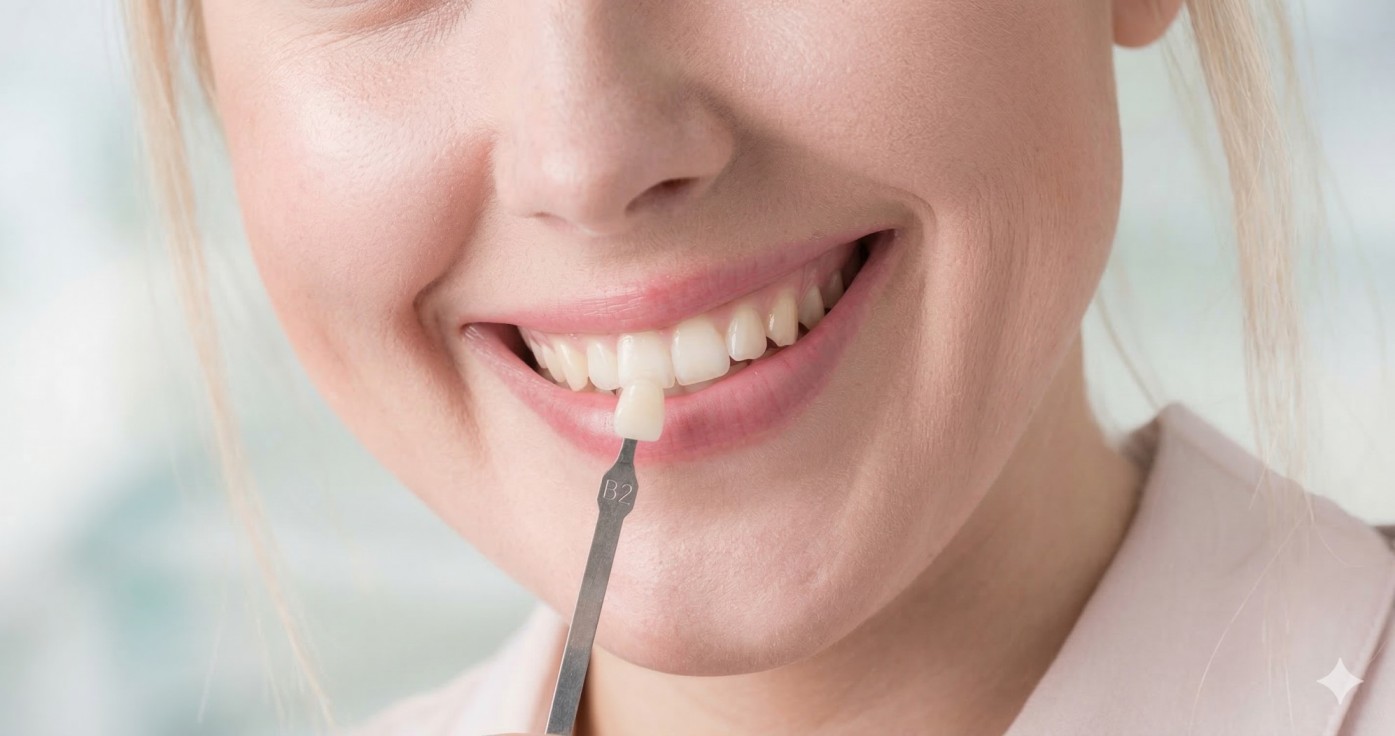
A beautiful smile can have a lasting impact on your confidence, personal relationships, and professional interactions. Many people who want to improve the appearance of their teeth turn to veneers as a reliable cosmetic dentistry solution. Whether you are dealing with discoloration, chipped teeth, gaps, worn enamel, or uneven tooth shapes, veneers can create a more balanced and attractive smile.
One of the most common questions patients ask before beginning treatment is, how long do veneers last? Since veneers represent an investment in both your appearance and oral health, understanding their lifespan is an important part of the decision-making process. Patients considering porcelain veneer treatment often want reassurance that their results will remain beautiful and functional for many years.
The good news is that modern veneers are designed for durability and longevity. While no dental restoration lasts forever, high-quality veneers can provide long-term aesthetic improvements when properly maintained. Understanding what affects their lifespan and how to care for them can help you enjoy your enhanced smile for many years to come.
Understanding Dental Veneers
Dental veneers are thin, custom-crafted shells that are bonded to the front surfaces of teeth. Their purpose is to improve the appearance of teeth while maintaining a natural look and feel. Veneers are commonly used to address cosmetic concerns such as stains, chips, cracks, small gaps, worn edges, and minor alignment issues.
Each veneer is carefully designed to match the shape, size, and color that best complements the patient's facial features and smile goals. Because veneers are customized for every individual, they create results that blend naturally with surrounding teeth.
Many patients choose veneers because they offer a versatile solution for multiple cosmetic concerns at once. Rather than undergoing several separate treatments, veneers can create a dramatic smile transformation with a single comprehensive procedure. Patients interested in learning more about the process can review this complete guide to dental veneers for additional insight into treatment planning and expected results.
How Long Do Porcelain Veneers Last?
Porcelain veneers typically last between 10 and 20 years. In many cases, patients enjoy excellent results for well over a decade before considering replacement. Some veneers remain functional and aesthetically pleasing for more than 20 years when supported by proper care and routine dental maintenance.
Porcelain has become the preferred material for veneers because it closely resembles natural tooth enamel. Its translucent appearance allows light to reflect naturally, creating a realistic and attractive smile. Beyond aesthetics, porcelain offers exceptional strength and resistance to staining.
Unlike natural enamel, porcelain is less susceptible to discoloration from coffee, tea, red wine, and other foods that commonly stain teeth. This allows veneers to maintain their bright appearance for years after placement.
Several factors contribute to the impressive lifespan of porcelain veneers. Modern dental materials are engineered to withstand daily chewing forces while maintaining structural integrity. Advanced bonding techniques create a strong connection between the veneer and the underlying tooth surface. Many patients compare veneers with alternative restorative options and find value in reviewing a detailed veneers vs crowns comparison before making a treatment decision.
Why Porcelain Veneers Are So Durable
Porcelain is known for its strength and stability. When properly bonded to healthy teeth, veneers can handle normal chewing and speaking functions without difficulty. The material also resists wear better than many other cosmetic dental materials.
Another benefit is its ability to maintain a smooth surface over time. This characteristic helps reduce plaque accumulation and supports a cleaner appearance between professional dental visits.
How Long Do Composite Veneers Last?
Composite veneers offer another cosmetic treatment option, though they generally have a shorter lifespan than porcelain veneers. Most composite veneers last between five and eight years before requiring repair or replacement.
Composite materials can provide attractive results and often require less preparation than porcelain veneers. They may also be completed in fewer appointments. Despite these advantages, composite veneers are more vulnerable to staining, chipping, and surface wear.
Patients seeking the longest-lasting cosmetic enhancement often choose porcelain veneers because of their superior durability and appearance.
Factors That Affect Veneer Longevity
The lifespan of veneers depends on several factors beyond the material itself. Daily habits, oral health practices, and lifestyle choices all influence how long veneers remain attractive and functional.
Quality of Materials
The quality of the materials used during treatment plays a significant role in longevity. Premium porcelain materials are specifically designed for cosmetic dental applications and offer excellent resistance to fractures and discoloration.
High-quality veneers are often associated with better long-term outcomes and fewer maintenance concerns.
Skill and Experience of the Dentist
Successful veneer treatment begins with careful planning and precise placement. Proper preparation, accurate impressions, and advanced bonding techniques contribute significantly to the lifespan of veneers.
An experienced cosmetic dentist evaluates more than just the appearance of individual teeth. Bite alignment, gum health, facial symmetry, and overall smile harmony are all considered when designing veneers that look natural and function comfortably.
Oral Hygiene Habits
Strong oral hygiene practices help protect both veneers and the natural teeth supporting them. Brushing twice daily and flossing regularly help reduce plaque buildup and support healthy gums.
Although porcelain veneers cannot develop cavities, the natural tooth structure beneath them remains susceptible to decay. Maintaining excellent oral hygiene helps preserve the health of surrounding teeth and tissues.
Teeth Grinding and Clenching
Many people grind or clench their teeth while sleeping. This condition, often referred to as bruxism, can place excessive pressure on veneers and natural teeth.
Repeated grinding may increase the risk of chips, cracks, and premature wear. Patients who exhibit signs of bruxism may benefit from wearing a custom nightguard to protect their dental work during sleep.
Dietary and Lifestyle Habits
Everyday habits can affect veneer longevity. Chewing ice, biting hard candies, opening packages with teeth, and chewing on pens or fingernails can place unnecessary stress on veneers.
Avoiding these habits can help preserve the appearance and integrity of your veneers for many years.
Signs Your Veneers May Need Replacement
Even the highest quality veneers eventually require replacement. Understanding the warning signs can help patients seek treatment before more extensive problems develop.
Visible Chips or Cracks
Small fractures may affect the appearance and strength of veneers. Early evaluation allows dentists to determine whether repair or replacement is necessary.
Discoloration Around the Margins
While porcelain resists staining, changes can sometimes occur around the edges where the veneer meets the natural tooth. This may affect smile aesthetics and warrant professional evaluation.
Loose Veneers
A properly bonded veneer should remain securely attached to the tooth. Any looseness or movement should be addressed promptly.
Gum Recession
Changes in gum tissue may expose portions of the tooth near the veneer margin. This can alter the appearance of the restoration and affect overall smile harmony.
Changes in Bite Comfort
Discomfort while chewing or changes in bite alignment may indicate underlying issues that require attention.
How to Make Your Veneers Last Longer
Patients can significantly extend the lifespan of their veneers by following a few simple recommendations.
Maintain Excellent Oral Hygiene
Daily brushing and flossing help keep teeth and gums healthy. Consistent oral care remains one of the most effective ways to protect your investment.
Schedule Regular Dental Visits
Routine examinations and professional cleanings allow your dentist to monitor the condition of your veneers and identify potential concerns early.
Wear a Nightguard if Recommended
Patients who grind or clench their teeth can benefit from additional protection during sleep. A custom nightguard helps reduce stress on veneers and natural teeth.
Avoid Damaging Habits
Protecting veneers from excessive force can reduce the likelihood of chips, fractures, and premature wear.
Follow Professional Recommendations
Every smile is unique. Personalized guidance from your dental team can help maximize the lifespan of your veneers and maintain optimal oral health.
Are Veneers Worth the Investment?
Many patients view veneers as one of the most rewarding cosmetic dental treatments available. Veneers can improve multiple aspects of a smile while delivering natural-looking and long-lasting results.
Benefits often include improved confidence, enhanced smile symmetry, brighter teeth, and a more youthful appearance. Because veneers address several cosmetic concerns simultaneously, they can provide significant value for patients seeking comprehensive smile improvements.
Individuals exploring additional smile enhancement options often review available cosmetic dentistry solutions to determine which treatments best align with their goals.
Why Falls Church Patients Choose Veneers
Residents throughout Falls Church continue to choose veneers because they provide a predictable and effective way to improve smile aesthetics. Porcelain veneers can correct multiple imperfections while preserving a natural appearance.
Customization is one of the greatest advantages of veneer treatment. Each veneer is crafted specifically for the individual patient, creating results that complement facial features and personal preferences.
Patients appreciate the combination of beauty, durability, and functionality that veneers provide. When properly maintained, veneers can continue enhancing a smile for many years while supporting confidence in both personal and professional settings.
Frequently Asked Questions About Veneers
Do veneers stain over time?
Porcelain veneers are highly resistant to staining. Composite veneers may develop discoloration more quickly depending on dietary habits and oral hygiene practices.
Can veneers be repaired?
Minor cosmetic damage can sometimes be repaired. More significant fractures or structural issues may require replacement.
Are veneers permanent?
Because a small amount of enamel is often removed during preparation, veneers are generally considered a long-term treatment.
Do veneers require special care?
Most patients care for veneers just as they care for natural teeth through regular brushing, flossing, and professional dental visits.
Can veneers last longer than 20 years?
Many patients enjoy their veneers for more than 20 years when they maintain excellent oral hygiene and avoid habits that place excessive stress on their teeth.
Final Thoughts
Porcelain veneers can last 10 to 20 years or longer when supported by healthy daily habits, quality dental care, and routine maintenance. Composite veneers generally offer a shorter lifespan but can still provide meaningful cosmetic improvements for the right candidates.
Understanding what affects veneer longevity allows patients to make informed decisions and protect their investment. With proper care, veneers can continue delivering beautiful results that enhance confidence and improve smile aesthetics for many years.
For patients considering veneer treatment in Falls Church, scheduling a consultation is the best way to learn more about available options and expected outcomes. The team at Purple Plum Dentistry can help create a personalized treatment plan designed to achieve a healthy, natural-looking, and long-lasting smile.
Benefits of Periodontal Therapy
Periodontal therapy offers several significant benefits that extend beyond just oral health. Here are four key benefits:
One of the primary benefits of periodontal therapy is the prevention of tooth loss. Periodontal disease, if left untreated, can lead to the destruction of the bone and connective tissue that support the teeth.
Periodontal disease is associated with chronic inflammation, which can have adverse effects on overall health. By treating periodontal disease, patients can reduce systemic inflammation, potentially lowering the risk of related health conditions such as cardiovascular disease, diabetes, and rheumatoid arthritis.
Periodontal therapy helps improve oral hygiene by thoroughly cleaning the pockets around the teeth, which are difficult to clean with regular brushing and flossing alone.
Healthier gums appear firm and pink, which contributes to an overall more attractive smile. Additionally, periodontal treatment can stabilize teeth and prevent further recession, helping patients maintain a youthful and confident appearance.