purple plum aesthetics blog
How Long Do Dental Crowns Last?
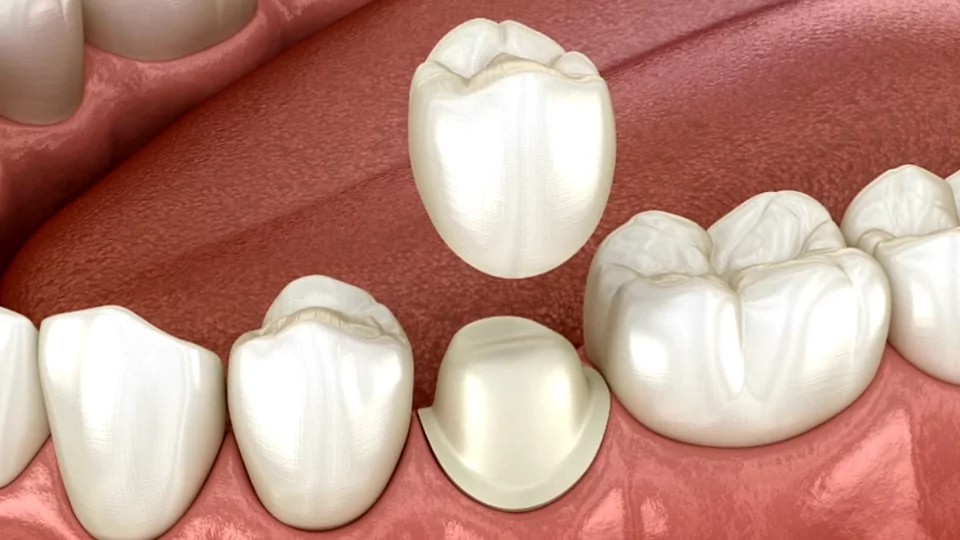
Dental crowns are designed to restore teeth that have been weakened, damaged, or extensively treated, but many patients naturally wonder how long dental crowns last before they need to be replaced. A well-made crown can provide years of comfortable function, and with good care, many crowns last around 10 to 15 years or longer. The actual dental crown lifespan depends on the material, your bite, oral hygiene, eating habits, and the condition of the tooth underneath.
Knowing what affects a crown can help you protect your investment and recognize when it may be time for an evaluation. At Purple Plum Dentistry, patients can receive care in a calm, spa-like setting with private rooms for major procedures and a private consultation space for discussing treatment.
What Is a Dental Crown?
A dental crown is a custom restoration that fits over a prepared tooth. It covers the visible portion of the tooth and is shaped to restore its function, appearance, and strength. Crowns are commonly recommended when a tooth has lost too much structure for a filling to provide dependable support.
A crown may be used after a root canal, for a tooth with a large filling, or when decay or a fracture has significantly weakened the tooth. It can also improve the appearance of a tooth when a full coverage restoration is appropriate.
The goal is not simply to place a covering over the tooth. The restoration needs to fit accurately, work comfortably with the surrounding teeth, and allow the gum tissue to remain healthy. Good planning and careful placement can have a major effect on how long a tooth crown lasts.
How Long Do Dental Crowns Last?
For many patients, a crown lasts about 10 to 15 years. Some remain functional for considerably longer when the crown, tooth, gums, and bite stay healthy. That range is a useful guide rather than a fixed expiration date.
Several factors influence how long crowns last. A person who brushes thoroughly, cleans between the teeth, attends regular dental visits, and avoids damaging habits may keep a crown comfortable for many years. A patient who grinds their teeth, frequently chews very hard foods, or develops gum disease may experience problems sooner.
The tooth beneath the crown also matters. A crown can remain intact while the underlying tooth develops decay, a crack, or another problem. For that reason, protecting the natural tooth and keeping the surrounding gums healthy are just as important as caring for the crown itself.
What Affects Dental Crown Lifespan?
Crown material
Crowns can be made from several materials, including porcelain, ceramic, zirconia, and metal-based options. Each material has different strengths and is selected based on factors such as the location of the tooth, bite forces, appearance, and the amount of tooth structure available.
A crown on a back tooth may experience much greater chewing pressure than a crown on a front tooth. Your dentist can recommend a material that fits the functional and cosmetic needs of the individual tooth.
Oral hygiene
Daily cleaning has a direct effect on the tissues and tooth surrounding a crown. Plaque can collect around the crown margin, just as it can around a natural tooth. If bacteria remain in that area, gum inflammation and decay can develop.
Brushing twice a day with a soft toothbrush and cleaning between teeth helps keep the area around the crown healthy. Regular dental examinations also allow small concerns to be identified before they become larger problems.
Grinding and clenching
Teeth grinding and clenching can place heavy forces on crowns. Over time, those forces may contribute to chips, cracks, wear, or loosening. Some people grind primarily while sleeping and may not realize they are doing it.
If you have signs of grinding, such as morning jaw soreness, worn teeth, or repeated damage to restorations, talk with your dentist. A custom night guard may be recommended when appropriate.
Eating habits
Crowns are made to withstand normal chewing, but they are not indestructible. Regularly biting very hard objects or using your teeth to open packages can put unnecessary stress on a restoration.
Sticky foods can also be troublesome when a crown is already loose or when the underlying tooth has been compromised. Sensible eating habits can reduce avoidable stress and help protect the restoration.
The condition of the natural tooth
A crown cannot make an unhealthy tooth permanently immune to future problems. If the tooth beneath it is affected by decay, a fracture, or infection, the crown may eventually need to be removed so the tooth can be treated.
The quality of the original tooth preparation and the health of the gums also influence the long-term result. A stable foundation gives the crown a better chance of performing well.
How Long Do Tooth Crowns Last With Proper Care?
Good home care can make a meaningful difference. Your daily routine should treat the crowned tooth like the rest of your mouth rather than assuming the restoration does not need attention.
Brush around the crown carefully, clean between the crowned tooth and its neighbors, and keep regular dental appointments. Professional cleanings can remove buildup that is difficult to manage at home and give your dentist an opportunity to check the crown margins, gums, and surrounding teeth.
It is also helpful to pay attention to changes in the way the crown feels. A crown that suddenly feels different when you bite, becomes sensitive, or catches food repeatedly deserves a dental evaluation. Early attention may prevent a small issue from becoming a larger restoration problem.
Patients who receive detailed guidance and follow a consistent maintenance routine often have a better chance of keeping their crowns comfortable for the long term. The question of how long a dental crown lasts is therefore partly about the restoration itself and partly about the habits that support it.
Signs Your Dental Crown May Need Attention
A crown does not always fail suddenly. Changes can develop gradually, and recognizing them can help you seek care before more tooth structure is affected.
Pain or sensitivity
New pain when chewing, sensitivity to hot or cold, or discomfort around a crowned tooth may indicate an issue with the crown, the tooth beneath it, or nearby tissues. Sensitivity that persists should be evaluated rather than ignored.
A loose or moving crown
A crown should feel stable during normal eating and speaking. If it moves, rocks, or feels as though it is lifting away from the tooth, arrange a dental appointment. Continuing to chew on a loose crown can place additional stress on the tooth underneath.
A visible crack or chip
Small cosmetic changes may not always require replacement, but a significant chip or crack can affect the crown's function and ability to protect the tooth. Your dentist can determine whether repair, adjustment, or replacement is appropriate.
Changes at the gumline
Red, swollen, or bleeding gums around a crown can signal inflammation. Food trapping or plaque buildup around the restoration can contribute to these changes. Keeping the area clean and having it examined can help identify the cause.
An uncomfortable bite
If the crown feels too high or your teeth no longer meet comfortably after placement, let your dentist know. A simple adjustment may resolve the problem and prevent unnecessary pressure on the restoration.
Can a Dental Crown Last Longer Than 15 Years?
Yes. Some crowns remain in good condition for well beyond 15 years. Longevity depends on the individual situation rather than a single number that applies to everyone.
A crown may last longer when it is properly fitted, supported by a healthy tooth, and maintained with consistent oral hygiene. Your bite also plays a major role. A crown exposed to heavy grinding forces may wear or fracture sooner than one exposed to normal chewing.
Age alone does not mean a crown needs replacement. If a crown is comfortable, stable, clean around the margins, and functioning properly, your dentist may simply continue monitoring it during routine visits.
When Should a Dental Crown Be Replaced?
Replacement is usually considered when a crown is damaged, no longer fits properly, has become loose, or can no longer protect the tooth effectively. Decay beneath or around a crown may also require treatment and a new restoration.
A crown that looks older is not automatically a crown that needs replacement. Dentists assess its condition, the health of the tooth underneath, the gums, the bite, and the surrounding teeth before recommending a change.
For patients who need to restore a damaged or weakened tooth, dental crowns and bridges can be part of a treatment plan designed around both function and appearance. A consultation helps determine whether a new crown is appropriate and which restoration best suits the tooth.
How Can You Protect Your Dental Crown?
Treat the crown as part of your natural smile. Continue brushing twice daily, clean between your teeth, and keep up with professional dental visits. Avoid habits that place excessive force on your teeth, such as chewing ice, biting hard objects, or opening packages with your teeth.
If you grind or clench, mention it during your dental visits. Managing excessive bite pressure may help reduce wear on both natural teeth and restorations.
It is also worth remembering that a crown does not replace the need for preventive dental care. Cavities can still develop at the edge of a crown, and gum disease can still affect the tissues around it. Regular care gives you the best opportunity to catch changes early.
Why Regular Dental Visits Matter
Routine examinations allow your dentist to monitor more than the visible surface of a crown. The dentist can assess the margins, bite, gums, and condition of the natural tooth underneath. X-rays may also be recommended when there is a reason to examine areas that cannot be seen directly.
Regular visits are especially useful when a crown has been in place for many years. Even when it feels completely normal, monitoring can reveal wear or changes before they cause noticeable symptoms.
At Purpleplum Dentistry, the focus is on comfortable, personalized dental care in an environment designed to help patients feel relaxed and confident about treatment decisions.
Conclusion
So, how long do dental crowns last? Many crowns provide around 10 to 15 years of service, while some last much longer with the right conditions and care. Material, bite forces, oral hygiene, eating habits, and the health of the natural tooth all influence longevity.
A crown is a long-term restoration, but it still needs daily care and regular professional monitoring. If you notice pain, looseness, a crack, gum changes, or an altered bite, having the crown checked can help protect the tooth and support a healthy smile for years to come.
Frequently Asked Questions
How long do dental crowns last?
Most dental crowns last around 10 to 15 years, although some can remain in good condition for much longer. Proper oral hygiene, regular dental visits, and healthy habits can support a longer lifespan.
How long do crowns last if you grind your teeth?
Grinding and clenching can put extra pressure on a crown and may shorten its lifespan. If you grind your teeth, your dentist may recommend ways to reduce that pressure and protect your restoration.
How long do tooth crowns last on back teeth?
Crowns on back teeth can last many years, but they are exposed to stronger chewing forces than front teeth. The crown material, bite, oral hygiene, and condition of the tooth all affect how long it remains functional.
Can a dental crown last 20 years?
Yes, some crowns can remain functional for 20 years or longer. Longevity varies from person to person, so regular dental examinations are important for checking the crown and the tooth beneath it.
How do I know when my dental crown needs replacement?
Pain, sensitivity, looseness, visible damage, gum problems, or changes in your bite can indicate that a crown needs attention. Your dentist can examine the restoration and determine whether it needs repair, adjustment, or replacement.
Does a crown need special care?
A crown generally does not require a complicated routine. Brush twice daily, clean between your teeth, avoid damaging habits, and attend regular dental appointments to keep the crown and surrounding tooth healthy.
Visit Purple Plum Dentistry in Falls Church, VA
Purple Plum Dentistry, Falls Church, VA
800 W Broad St, Suite 207, Falls Church, VA 22046
703-998-4244
Opening hours:
Monday: 7:30 AM–4 PM
Tuesday: 7:30 AM–4 PM
Wednesday: 7:30 AM–4 PM
Thursday: Closed
Friday: 7:30 AM–4 PM
Saturday: Closed
Sunday: Closed
A consultation takes about 45 minutes. We photograph your smile, talk through your options and costs, and you leave with a written plan. There is no pressure to book treatment on the day.
Benefits of Periodontal Therapy
Periodontal therapy offers several significant benefits that extend beyond just oral health. Here are four key benefits:
One of the primary benefits of periodontal therapy is the prevention of tooth loss. Periodontal disease, if left untreated, can lead to the destruction of the bone and connective tissue that support the teeth.
Periodontal disease is associated with chronic inflammation, which can have adverse effects on overall health. By treating periodontal disease, patients can reduce systemic inflammation, potentially lowering the risk of related health conditions such as cardiovascular disease, diabetes, and rheumatoid arthritis.
Periodontal therapy helps improve oral hygiene by thoroughly cleaning the pockets around the teeth, which are difficult to clean with regular brushing and flossing alone.
Healthier gums appear firm and pink, which contributes to an overall more attractive smile. Additionally, periodontal treatment can stabilize teeth and prevent further recession, helping patients maintain a youthful and confident appearance.