purple plum aesthetics blog
How Do Dental Crowns Work?
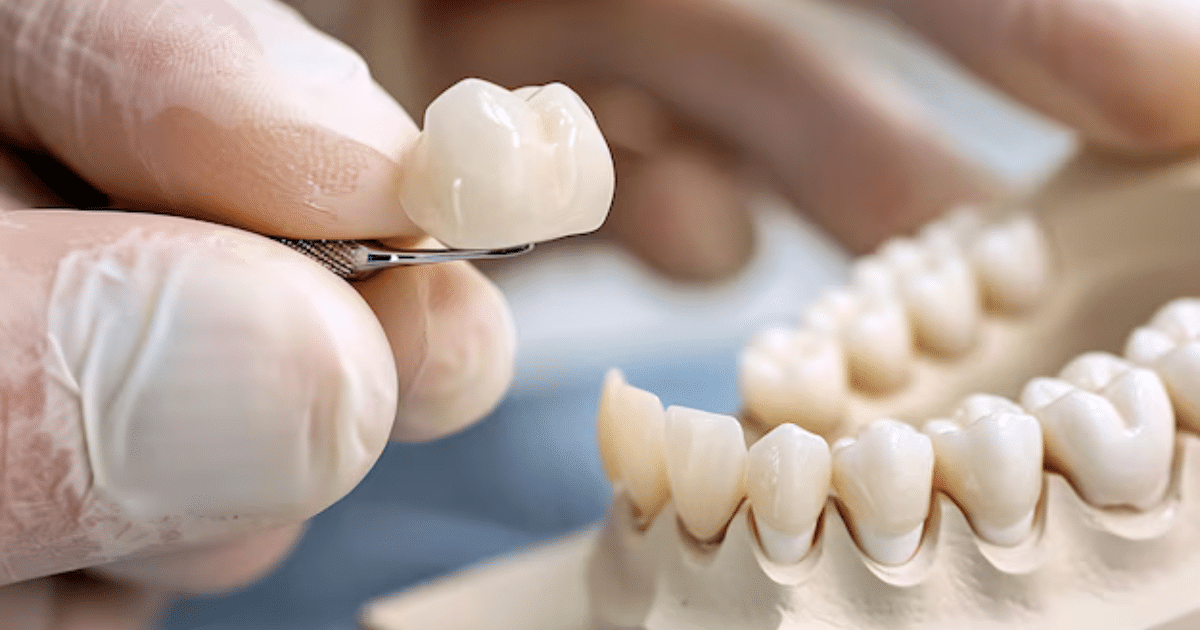
If you have a damaged, weakened, or badly worn tooth, you may wonder: how do dental crowns work and what makes them different from a filling? A dental crown is a custom-made restoration that fits over the visible portion of a tooth. It helps restore the tooth’s shape, strength, appearance, and function while protecting the remaining natural tooth structure. Crowns can be made from several materials and are designed to blend with your smile while allowing you to eat and speak normally.
Understanding how a crown works can make the treatment process feel much more familiar. From preparing the tooth to placing the finished restoration, each stage has a specific purpose. The right approach depends on the condition of the tooth, your oral health, and the type of crown selected for your needs.
What Is a Dental Crown?
A dental crown is a restoration that covers the portion of a tooth that is visible above the gum line. It is shaped to resemble a natural tooth and is permanently attached to the prepared tooth underneath.
Think of a crown as a protective covering rather than a replacement for the entire tooth. The natural tooth remains underneath the restoration, while the crown surrounds and protects it. This design allows the tooth to continue functioning while giving it additional support.
What Does a Dental Crown Do?
The main purpose of a crown is to restore a tooth that no longer has enough healthy structure to function comfortably on its own. A tooth may need a crown after a large cavity, significant damage, a fracture, severe wear, or certain dental procedures.
A crown can restore the tooth’s shape and chewing surface. It can also protect weakened areas from further damage and improve the appearance of a tooth that has become discolored or misshapen.
Crowns are different from fillings because they cover much more of the tooth. A filling replaces a smaller portion of lost tooth structure, while a crown surrounds the remaining tooth when greater coverage is needed.
How Do Dental Crowns Work?
So, how do dental crowns work once they are placed over a tooth? The crown acts as a strong outer structure around the prepared tooth. It restores the shape of the tooth and distributes chewing forces across the restoration and the tooth beneath it.
The crown is carefully designed to fit the prepared tooth and meet the surrounding teeth correctly. A proper fit allows the restoration to function as part of your natural bite. The edges are also designed to sit closely around the tooth so the restoration looks natural and feels comfortable.
When you bite or chew, the crown takes on much of the work that the damaged outer portion of the tooth could no longer handle effectively. The remaining natural tooth provides the foundation underneath.
How Does a Tooth Crown Work With the Natural Tooth?
A crown does not replace the root of a tooth. The natural root remains in the jaw, and the crown covers the portion of the tooth above the gums.
This distinction matters because the health of the underlying tooth and surrounding gum tissue plays an important role in the long term success of the restoration. Good brushing, flossing, and regular dental visits help keep the tooth and gums around the crown healthy.
When Might a Tooth Need a Crown?
Dentists may recommend a crown when a tooth has lost enough structure that a smaller restoration may not provide adequate protection. Large cavities can remove substantial amounts of enamel and dentin, leaving the tooth more vulnerable to cracking.
A fractured tooth may also benefit from a crown when enough healthy structure remains to support the restoration. Crowns can be used for teeth that have become significantly worn over time, particularly when the loss of tooth structure affects normal function.
Teeth that have received root canal treatment may also require additional protection because they can have less remaining structure. In some situations, a crown is used to restore a tooth after extensive restorative treatment.
The decision is based on the individual tooth rather than a single rule. Your dentist will evaluate the tooth, its supporting tissues, your bite, and your overall oral health before recommending a restoration.
What Happens During a Dental Crown Procedure?
The dental crown procedure usually involves preparing the tooth, creating a restoration that fits it, and permanently attaching the finished crown. The exact process can vary depending on the tooth, the material selected, and the type of treatment required.
Tooth Preparation
During the first stage, the dentist examines the tooth and prepares it to receive the crown. Damaged or decayed areas are removed, and the remaining tooth is shaped so the crown can fit securely over it.
The amount of preparation depends on the condition of the tooth and the type of crown being used. Your dentist will focus on preserving healthy tooth structure while creating enough space for the restoration.
Once the tooth has been prepared, an impression or digital scan can be used to create the crown. The dentist also considers the surrounding teeth and your bite when designing the restoration.
Creating the Crown
The crown is made to match the size, shape, and appearance needed for your tooth. Depending on the material and treatment process, it may be created in a dental laboratory or through an in-office digital workflow.
The color and shape are considered carefully when the crown will be visible when you smile. A well-designed restoration should complement the surrounding teeth rather than stand out from them.
A temporary crown may be placed while the final restoration is being prepared. This protects the prepared tooth and allows you to use it during the waiting period.
Placing the Final Crown
Once the permanent crown is ready, your dentist checks its fit, appearance, and relationship with your bite. Adjustments can be made if needed before the crown is permanently attached.
The dentist then bonds the crown to the prepared tooth using dental cement. After placement, the crown becomes part of the tooth’s functional surface, allowing you to chew and speak normally.
Patients looking for more information about restorative treatment can explore dental crowns and bridges at Purple Plum Dentistry.
How Dental Crowns Restore Tooth Function
One of the main benefits of a crown is the way it restores the shape and structure of a damaged tooth. A tooth that has lost a significant amount of its natural structure may have difficulty handling normal chewing forces.
The crown provides a new outer surface that is shaped for normal function. Its chewing surface is designed to work with the opposing teeth, helping the restored tooth participate in your bite.
A properly fitted crown can also help protect the remaining tooth from additional wear and damage. Instead of leaving a weakened structure exposed, the restoration provides coverage around it.
Crowns and Your Bite
Your bite is an important part of crown treatment. If a crown is too high or does not meet the opposing teeth correctly, it may feel uncomfortable when you chew.
That is why the dentist checks the crown carefully before final placement. Small adjustments can help the restoration fit naturally with your existing bite.
The goal is not simply to cover the tooth. The restoration needs to function comfortably as part of your entire smile.
What Materials Are Dental Crowns Made From?
Dental crowns can be made from several materials, including porcelain, ceramic, zirconia, and metal-based materials. Some restorations combine strength with a tooth colored appearance.
The best material depends on where the crown is being placed, how much chewing pressure the tooth receives, the appearance you want, and the amount of healthy tooth structure available.
Front teeth often require close attention to color and shape because they are highly visible. Back teeth may require a material selected for strength and durability because they handle substantial chewing forces.
Your dentist can explain the available options and help determine which material is appropriate for your tooth.
How Long Do Dental Crowns Last?
A dental crown can last for many years when it is properly fitted and cared for, although the lifespan varies from person to person. Factors such as oral hygiene, bite forces, tooth grinding, diet, and the condition of the supporting tooth can all affect longevity.
Caring for a crown is similar to caring for natural teeth. Brush regularly, clean between your teeth, and attend routine dental appointments so your dentist can monitor the crown and the tooth underneath it.
A crown can still develop problems if plaque and bacteria collect around its edges. The restoration itself may be strong, but the tooth and gum tissue surrounding it still require daily care.
Can You Eat Normally With a Dental Crown?
Once the crown has been permanently placed and your dentist confirms that your bite feels comfortable, you can generally use the restored tooth for normal eating.
It can take a short period to become accustomed to the feel of a new crown. The restored tooth may initially feel different because its shape and surface have changed.
If your bite continues to feel uneven or the crown causes persistent discomfort, contact your dentist for an evaluation. A small adjustment may be needed to improve how the crown meets the opposing tooth.
How Do Dental Crowns Work to Improve Appearance?
Crowns are not only used to restore function. They can also improve the appearance of teeth that are severely discolored, misshapen, worn, or damaged.
A custom crown can be shaped to complement the surrounding teeth. For visible teeth, the dentist considers factors such as shade, contour, size, and the way the restoration interacts with your smile.
At Purpleplum Dentistry, patients can receive treatment in a comfortable environment designed around privacy and personal care. Private treatment rooms are available for major procedures, while a private consultation room provides space to discuss treatment and review options with the dental team.
Caring for a Tooth With a Crown
A crowned tooth still needs the same daily attention as your natural teeth. Brush twice a day with fluoride toothpaste and clean between the teeth every day.
Pay particular attention to the area where the crown meets the gum. Keeping this area clean helps reduce plaque buildup and supports the health of the surrounding gum tissue.
Regular dental examinations also give your dentist an opportunity to check the crown, the underlying tooth, and the surrounding tissues. If a crown becomes loose, cracked, uncomfortable, or sensitive, schedule an examination rather than waiting for the problem to worsen.
What Makes a Dental Crown Different From Other Restorations?
The biggest difference is the amount of tooth coverage. A filling is generally used when a smaller area of the tooth needs repair. A crown covers the visible portion of a tooth and is used when greater structural support is needed.
A veneer, by comparison, is primarily designed to cover the front surface of a tooth for cosmetic purposes. A crown surrounds the tooth much more extensively and is often selected when both appearance and structural support matter.
Understanding these differences helps explain why a dentist may recommend one restoration over another. The appropriate choice depends on how much healthy tooth structure remains and what the tooth needs to function properly.
The Bottom Line
Understanding how dental crowns work comes down to one simple idea. A crown covers and protects a prepared tooth while restoring its shape, strength, appearance, and ability to function. The process involves careful tooth preparation, custom design, precise fitting, and permanent placement. With good oral hygiene and regular dental care, a crown can provide long-lasting support for a damaged or weakened tooth.
Frequently Asked Questions
How does a dental crown stay on the tooth?
A dental crown is permanently attached to a prepared tooth with dental cement. The crown is shaped to fit securely over the remaining natural tooth structure.
Does getting a dental crown hurt?
The tooth is numbed during preparation, so you should not feel the procedure itself. Some sensitivity or mild soreness can occur afterward and usually settles as the tooth adjusts.
How long does a dental crown procedure take?
Treatment time depends on the tooth and the type of crown being used. Some cases can be completed in fewer visits, while others require time for a laboratory made crown.
Can a crowned tooth get a cavity?
Yes. A crown protects the tooth structure it covers, but the natural tooth and the area around the crown can still develop decay. Good brushing, flossing, and dental visits remain important.
Can you brush and floss around a dental crown?
Yes. Brush the crown just as you would your natural teeth, and clean carefully around the gum line and between the crowned tooth and neighboring teeth.
How do I know if I need a dental crown?
A dentist can determine whether a crown is appropriate by examining the tooth and assessing its remaining structure. Large cavities, fractures, severe wear, and extensive restorations are common reasons a crown may be considered.
Visit Purple Plum Dentistry in Falls Church, VA
Purple Plum Dentistry, Falls Church, VA
800 W Broad St, Suite 207, Falls Church, VA 22046
703-998-4244
Opening hours:
Monday: 7:30 AM–4 PM
Tuesday: 7:30 AM–4 PM
Wednesday: 7:30 AM–4 PM
Thursday: Closed
Friday: 7:30 AM–4 PM
Saturday: Closed
Sunday: Closed
A consultation takes about 45 minutes. We photograph your smile, talk through your options and cost, and you leave with a written plan. There is no pressure to book treatment on the day.
Benefits of Periodontal Therapy
Periodontal therapy offers several significant benefits that extend beyond just oral health. Here are four key benefits:
One of the primary benefits of periodontal therapy is the prevention of tooth loss. Periodontal disease, if left untreated, can lead to the destruction of the bone and connective tissue that support the teeth.
Periodontal disease is associated with chronic inflammation, which can have adverse effects on overall health. By treating periodontal disease, patients can reduce systemic inflammation, potentially lowering the risk of related health conditions such as cardiovascular disease, diabetes, and rheumatoid arthritis.
Periodontal therapy helps improve oral hygiene by thoroughly cleaning the pockets around the teeth, which are difficult to clean with regular brushing and flossing alone.
Healthier gums appear firm and pink, which contributes to an overall more attractive smile. Additionally, periodontal treatment can stabilize teeth and prevent further recession, helping patients maintain a youthful and confident appearance.