purple plum aesthetics blog
How Long Does Dental Bonding Last: The Complete Guide
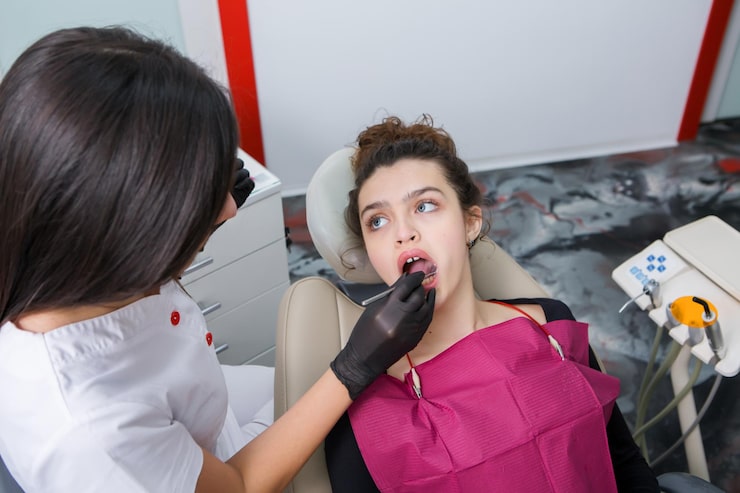
Dental bonding is a widely used cosmetic dental procedure that repairs chipped teeth, closes gaps, and improves the appearance of discolored teeth. Many patients in the area seeking dental bonding in Falls Church often ask how long the results will last and what factors influence their longevity. Understanding the actual lifespan of bonded teeth helps set realistic expectations while maintaining oral health.
Dental Bonding and Its Typical Lifespan
Dental bonding typically involves applying a composite resin to the surface of a tooth. This bonding material restores the tooth’s shape, fixes chips, and covers minor dental issues such as discoloration or small cavities. Complete dental bonding can transform a smile quickly with minimal discomfort.
On average, dental bonding lasts between three and ten years, but several factors influence how long bonding lasts. Front teeth often have a longer lifespan compared to molars because they experience less chewing pressure. While bonding remains durable, proper care and maintenance are essential for prolonging results.
Factors Influencing How Long Dental Bonding Lasts
Several factors determine how long dental bonding retains its appearance and function. Understanding these elements helps patients maximize the longevity of their bonded teeth.
Oral Hygiene Practices
Good oral hygiene is a primary factor. Regular brushing with non-abrasive toothpaste, daily flossing, and professional cleanings help prevent tooth decay, gum disease, and staining. Bonding material can resist stains better when teeth are well cared for. Patients who maintain good oral hygiene practices can enjoy several years of a bright smile.
Diet and Habits
The type of foods and habits directly affects the lifespan of tooth bonding. Avoid biting hard foods or objects such as ice or pens, and minimize nail biting. Acidic foods, coffee, red wine, and tobacco products can cause discoloration of the composite resin. Limiting these staining substances helps bonded teeth maintain a natural appearance.
Quality of Bonding Material and Technique
The durability of dental bonding also depends on the composite bonding material and the dentist’s technique. Proper application using a shade guide, conditioning liquid, and professional curing ensures that bonding resists wear and stains effectively. High-quality materials and skillful application contribute to a longer-lasting repair.
Oral Habits and Lifestyle
Patients with healthy oral habits, such as avoiding using teeth to open packages or biting hard objects, protect the bonding material from chips and sharp edges. Regular dental visits help identify issues early, allowing for touch-ups before minor damage becomes significant.
Caring for Bonded Teeth
Proper care is essential to extend the life of dental bonding. Patients should follow these recommendations:
- Brush at least twice daily with a non-abrasive toothpaste
- Floss consistently to prevent plaque buildup
- Avoid hard foods and excessive pressure on bonded teeth
- Limit consumption of staining foods and beverages
- Attend professional cleanings and dental check-ups regularly
These steps support both the bonded teeth and overall oral health, reducing the risk of tooth decay, gum disease, and premature wear of bonding material.
Signs That Dental Bonding May Need Replacement
Despite proper care, dental bonding does not last indefinitely. Replacement may be necessary if patients notice:
- Chipped teeth or worn edges
- Discoloration or stains that cannot be removed with cleaning
- Rough or sharp edges that affect comfort
- Any damage from habitual nail biting or biting hard objects
Addressing these concerns promptly through dental check-ups ensures the smile remains healthy and attractive.
Dental Bonding Compared to Other Cosmetic Options
While dental bonding is a cost-effective solution for minor dental issues and small cosmetic changes, other treatments may offer longer-lasting results. Porcelain veneers and crowns provide durability and resistance to stains but require more extensive procedures. Purple Plum Dentistry remains a preferred choice for patients seeking quick aesthetic improvements, repairing chipped teeth, or closing gaps with minimal invasiveness.
Enhancing Longevity of Dental Bonding
Maintaining the appearance and function of bonded teeth involves several factors. Consistent regular brushing, avoiding hard objects, limiting staining substances, and scheduling dental check-ups all help extend the lifespan of composite bonding. Patients who follow these recommendations often enjoy a healthy, bright smile for years.
Key Takeaways
Dental bonding provides a simple, cost-effective way to address minor dental issues, repair chipped teeth, and improve the smile. Complete dental bonding can last several years with proper care. Understanding the factors influencing bonding last from oral hygiene to diet and habits, helps patients maintain the results. Regular dental visits and professional cleanings ensure that any issues are addressed early, keeping teeth healthy and the bonding material intact.
Benefits of Periodontal Therapy
Periodontal therapy offers several significant benefits that extend beyond just oral health. Here are four key benefits:
One of the primary benefits of periodontal therapy is the prevention of tooth loss. Periodontal disease, if left untreated, can lead to the destruction of the bone and connective tissue that support the teeth.
Periodontal disease is associated with chronic inflammation, which can have adverse effects on overall health. By treating periodontal disease, patients can reduce systemic inflammation, potentially lowering the risk of related health conditions such as cardiovascular disease, diabetes, and rheumatoid arthritis.
Periodontal therapy helps improve oral hygiene by thoroughly cleaning the pockets around the teeth, which are difficult to clean with regular brushing and flossing alone.
Healthier gums appear firm and pink, which contributes to an overall more attractive smile. Additionally, periodontal treatment can stabilize teeth and prevent further recession, helping patients maintain a youthful and confident appearance.