purple plum aesthetics blog
Composite vs Porcelain Veneers
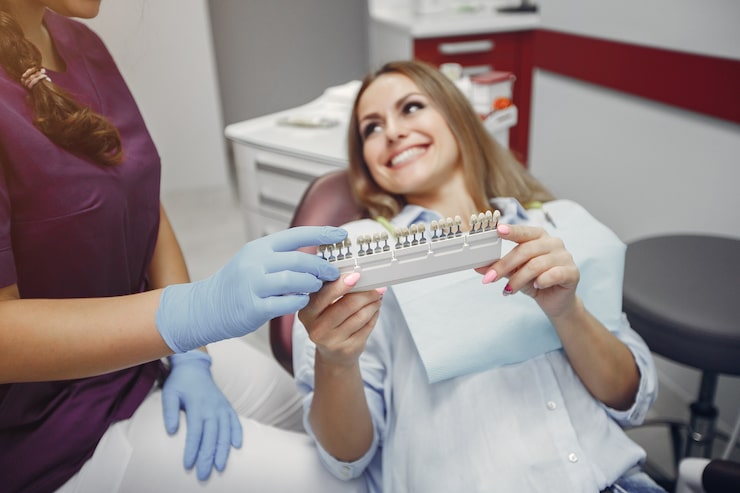
Choosing the right veneer option can make a significant difference in achieving a beautiful smile. Patients often wonder about the difference between composite and porcelain veneers. Both options enhance the appearance of natural teeth, address minor imperfections, and improve cosmetic concerns, but their materials, procedures, and durability vary. Understanding these key differences helps guide patients toward the best choice for their oral health needs and aesthetic goals. If you are considering professional porcelain veneer treatment, Purple Plum Dentistry can provide expert guidance for your cosmetic dentistry journey.
Understanding Composite and Porcelain Veneers
Composite veneers are made from tooth colored resin applied directly to the front surface of prepared teeth. The dentist shapes the composite material to match the shape and color of surrounding teeth, offering a cost-effective solution that can be completed in a single dental visit.
Porcelain veneers are wafer-thin shells of high-quality ceramic material crafted in a dental laboratory. These custom-made shells are bonded to prepared teeth and provide superior aesthetics, stain resistance, and translucent quality similar to natural tooth enamel. Porcelain veneers are ideal for patients with severe discoloration, chipped or broken teeth, or those seeking long-lasting results.
Appearance and Material Differences
When comparing composite vs porcelain veneers, the main distinction lies in the material and natural appearance. Composite resin veneers allow adjustments during placement and can address minor imperfections quickly. Their finish resembles natural teeth, but they are more prone to staining, and frequent replacements may be needed over time.
Porcelain veneers offer unmatched durability and a lifelike appearance that closely mimics natural tooth structure. Their thin shells reflect light naturally, giving a smile makeover that is highly resistant to discoloration and dental imperfections. These permanent veneers are suitable for patients seeking superior aesthetics and long-term cosmetic dentistry solutions.
Procedure and Tooth Preparation
Composite veneers, also called direct composite veneers, usually require minimal tooth preparation. A cosmetic dentist applies the composite resin to prepared teeth in layers and sculpts it to match surrounding teeth. This process can correct crooked teeth, minor imperfections, or discolored teeth in one appointment.
In contrast, porcelain veneers involve tooth grinding or shaping, impressions, and fabrication in a dental lab. Temporary veneers may be placed while waiting for the custom veneers. Patients with chipped or broken teeth or misaligned teeth often benefit from porcelain or composite veneers, depending on the severity and treatment plans.
Longevity and Maintenance
Composite veneers are generally less expensive and offer a quick cosmetic treatment, but they typically last four to eight years with proper care. Frequent replacements may be necessary due to staining, chipping, or wear.
Porcelain veneers are highly resistant and can last ten to fifteen years or longer. Their stain resistance and durable ceramic material reduce maintenance, making them ideal for patients focused on optimal oral health and a long-lasting, beautiful smile. Routine good oral health practices, such as brushing, flossing, and dental checkups, are essential for both veneer types to prevent gum disease, tooth decay, or other issues in the underlying tooth structure.
Cost Considerations
Patients often weigh the porcelain veneers cost against the lower expense of composite veneers. Composite material is more cost-effective upfront, making it suitable for minor cosmetic improvements or a trial smile makeover. Porcelain and composite veneers require a higher investment but offer superior aesthetics, permanent veneers, and long-term durability. Consider exploring Cosmetic Dentistry Options at Purple Plum Dentistry for guidance on treatments and coverage.
Making the Right Choice
Choosing between traditional veneers, hybrid veneers, or composite and porcelain depends on personal goals. Direct composite veneers are ideal for quick fixes to discolored teeth, chipped or broken teeth, or minor imperfections. Porcelain veneers work best for patients seeking a long-lasting smile makeover, highly resistant results, and a natural-looking translucent quality.
A consultation at Purple Plum Dentistry can assess tooth structure, natural tooth enamel, and surrounding teeth to recommend the best option. Treatment plans may include addressing crooked teeth, misaligned teeth, or other dental imperfections while ensuring optimal oral health.
Conclusion:
Composite veneers provide a cost-effective solution, and direct composite veneers can often be applied in a single visit. Porcelain veneers offer superior aesthetics, durability, and stain resistance. Both types help address cosmetic concerns and contribute to achieving a beautiful smile. Consulting a cosmetic dentist ensures that treatment options align with oral health needs, correct dental imperfections, and support long-term goals.
Benefits of Periodontal Therapy
Periodontal therapy offers several significant benefits that extend beyond just oral health. Here are four key benefits:
One of the primary benefits of periodontal therapy is the prevention of tooth loss. Periodontal disease, if left untreated, can lead to the destruction of the bone and connective tissue that support the teeth.
Periodontal disease is associated with chronic inflammation, which can have adverse effects on overall health. By treating periodontal disease, patients can reduce systemic inflammation, potentially lowering the risk of related health conditions such as cardiovascular disease, diabetes, and rheumatoid arthritis.
Periodontal therapy helps improve oral hygiene by thoroughly cleaning the pockets around the teeth, which are difficult to clean with regular brushing and flossing alone.
Healthier gums appear firm and pink, which contributes to an overall more attractive smile. Additionally, periodontal treatment can stabilize teeth and prevent further recession, helping patients maintain a youthful and confident appearance.