purple plum aesthetics blog
Can You Work Out After Botox
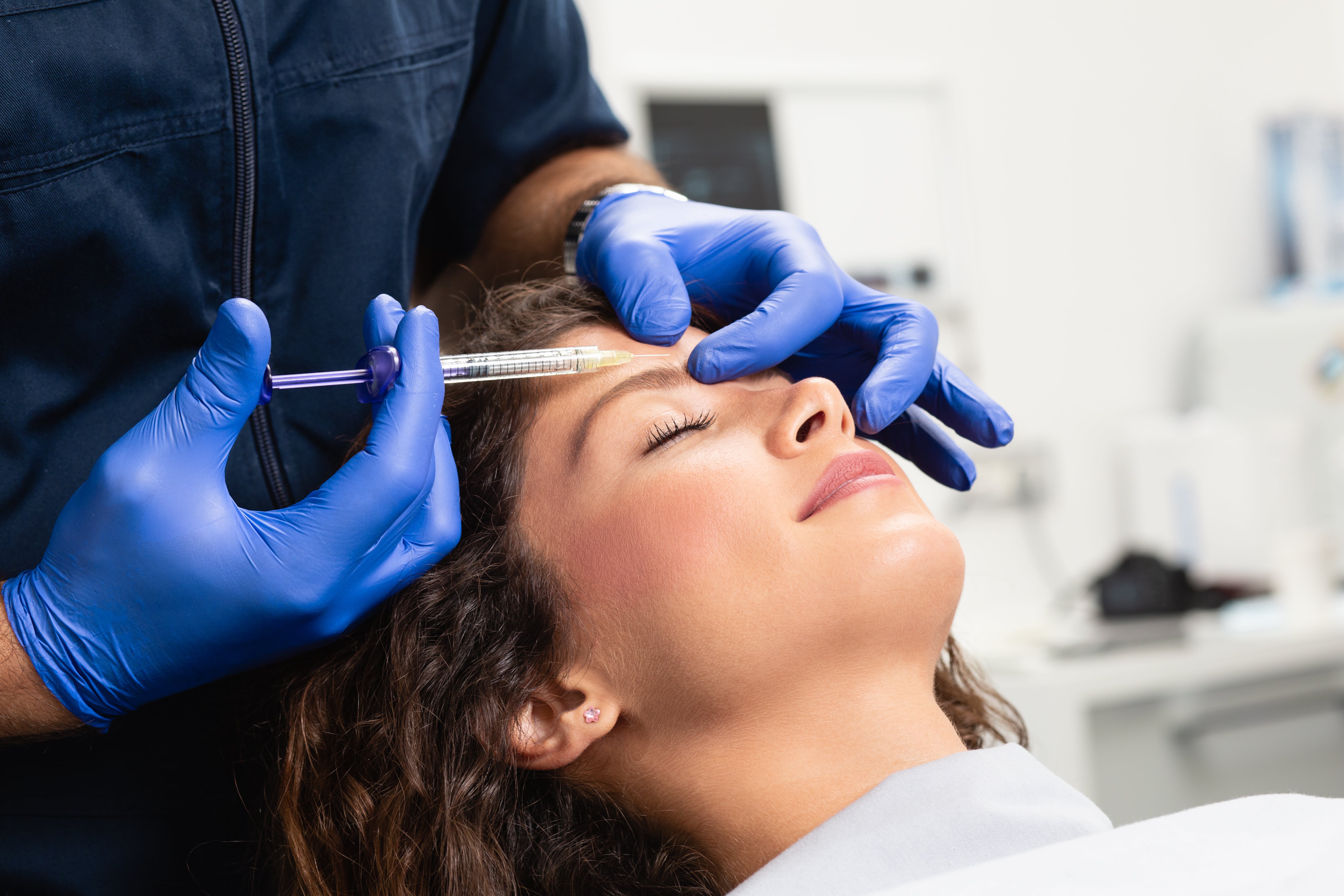
Botox Treatment Services are among the most popular treatments in aesthetic medicine. Millions of people receive botulinum toxin type A to soften wrinkles, treat muscle conditions, or prevent excessive facial movement. For those maintaining an active lifestyle, understanding that you can work out after Botox is essential. Exercising too soon after treatment can potentially affect Botox results, so knowing the right approach ensures safety and effectiveness.
How Botox Works and Why Post-Treatment Care Matters
Botox works by temporarily blocking nerve signals to the targeted muscles at the injection site. This prevents excessive muscle movement and smooths facial expressions such as frown lines and crow’s feet. The neurotoxin binds to nerve endings, reducing contractions in the treated areas.
During the initial recovery period, receiving Botox injections requires care because too much movement, high blood pressure, or increased blood flow may cause the Botox to migrate. Most doctors recommend a short waiting period after treatment to allow the botulinum toxin type A to settle and begin working effectively. Without proper post-treatment care, excessive facial movement or strenuous exercise could lead to droopy eyelids, unintended areas being affected, or reduced effectiveness of the treatment.
Why Timing Matters: Exercising After Botox
Exercising too soon after Botox can impact results. Strenuous exercise immediately post-treatment increases blood flow, which might cause the Botox to spread away from the intended injection site. High-intensity interval training, weight training, and vigorous exercise raise heart rate and blood pressure, increasing circulation around the facial muscles. This enhanced blood flow, combined with excessive sweating and facial pressure, can make Botox migrate, potentially affecting the results.
Most forms of physical activity are safe once the Botox has had time to bind to nerve endings. The post-treatment period is critical for ensuring the toxin settles in the targeted muscles, producing the desired cosmetic and functional outcomes.
Safe Exercise Timeline After Botox
First 24 Hours
During the first 24 hours after receiving Botox, most doctors recommend avoiding any strenuous activities. This includes high-intensity interval training, weight training, hot yoga, or contact sports. Even simple facial exercises or extreme facial expressions should be minimized.
Light activities like gentle walking or stretching that do not involve intense physical activity are considered safe alternatives. Avoid wiping sweat from treated areas during this time, as facial pressure or friction can cause the Botox to spread. This brief waiting period allows the botulinum toxin type to begin binding to nerve endings, reducing the risk of unintended effects.
24 to 48 Hours
After the initial recovery period, some forms of light exercise can be gradually introduced. A fitness routine consisting of low-impact activities, gentle walking, or moderate cardio may be resumed while avoiding vigorous exercise or high-intensity interval training. Excessive sweating should still be minimized, and care should be taken not to put pressure on the injection site.
During this time, muscle movement is allowed in most parts of the body, but the facial muscles should continue to be protected. Gradually returning to a regular exercise routine supports overall health without compromising Botox results.
Beyond 48 Hours
Most patients can safely return to strength training, vigorous activities, or contact sports after 48 hours if cleared by their provider. At this point, the Botox is fully settling into the targeted muscles, and the body's response to exercise is unlikely to cause the Botox to migrate. Individuals with extensive facial treatments or those engaging in extreme exercise may benefit from slightly longer post-treatment care to maximize results.
Exercises to Avoid and Safe Alternatives
Strenuous Activities to Avoid
Avoid activities that significantly increase blood flow to the face, elevate blood pressure, or involve intense muscle movement in the treated areas. These include:
- High-intensity interval training
- Hot yoga or exercise in extreme heat
- Heavyweight training
- Contact sports
- Intense cardio or spin classes
- Activities causing excessive sweating or facial pressure
Exercising too soon can result in adverse effects, including droopy eyelids, Botox spreading to unintended areas, or reduced effectiveness of the treatment.
Safe Alternatives
Low-impact activities allow patients to maintain an active lifestyle while protecting Botox results. Examples include:
- Gentle walking or light exercise
- Modified yoga with the head above the heart
- Stretching or low-intensity cycling
- Gradually returning to a regular exercise routine after the first 48 hours
These safe alternatives minimize facial pressure and excessive facial movement while keeping the body active.
How Excessive Facial Movement Can Affect Botox
Facial muscles are highly sensitive to activity during the post-treatment period. Frowning, squinting, or other exaggerated facial expressions can mechanically influence the injection site. This may cause the Botox to spread, potentially affecting results.
Light activities such as facial exercises or low-intensity movements of the face should be avoided during the initial recovery period. Most doctors advise minimizing all unnecessary facial movements for the first 24 hours. After the Botox has bound to nerve endings, normal expressions and gentle activities will not compromise the results.
Practical Tips for Exercising After Botox
Maintaining safety while staying active involves a few simple strategies:
- Start with gentle activities like light walking or stretching
- Avoid vigorous exercise in the first 24 hours
- Do not wipe sweat or apply pressure to the treated areas
- Gradually return to strength training, high-intensity interval training, or weight training
- Monitor the body’s response and adjust intensity accordingly
- Protect the facial muscles during the post-treatment period
- Consult your provider before resuming extreme workouts or hot yoga
Following these steps helps ensure optimal results while supporting a Purple Plum Dentistry recommended active lifestyle.
Common Questions About Exercise After Botox
Can I lift weights after Botox?
Wait at least 48 hours before resuming heavy weight training. Vigorous activities too soon can cause Botox to migrate and affect targeted muscles.
Can I run after Botox?
Light jogging or walking is usually safe after the initial 24-hour waiting period. High-intensity cardio should be postponed until the Botox has settled.
Can I do yoga?
Gentle yoga is safe once cleared by your provider. Avoid hot yoga or poses that place the head below the heart during the first 48 hours.
Will exercise cause droopy eyelids?
Exercising too soon, especially high-intensity workouts, may result in Botox spreading to unintended areas, potentially causing droopy eyelids or other adverse effects.
Final Thoughts
Receiving Botox injections is safe and effective when proper post-treatment care is followed. Protecting the treated areas, avoiding strenuous exercise, and managing blood flow during the initial recovery period ensures the botulinum toxin type A settles in the targeted muscles and produces optimal results.
Patients should wait at least 24 hours before resuming light exercise and gradually return to their regular exercise routine after 48 hours. Following these guidelines protects Botox results, supports an active lifestyle, and minimizes the risk of unintended effects.
By understanding the body's response to exercise after treatment and using safe alternatives, individuals can maintain fitness while maximizing the benefits of Botox treatment.
Benefits of Periodontal Therapy
Periodontal therapy offers several significant benefits that extend beyond just oral health. Here are four key benefits:
One of the primary benefits of periodontal therapy is the prevention of tooth loss. Periodontal disease, if left untreated, can lead to the destruction of the bone and connective tissue that support the teeth.
Periodontal disease is associated with chronic inflammation, which can have adverse effects on overall health. By treating periodontal disease, patients can reduce systemic inflammation, potentially lowering the risk of related health conditions such as cardiovascular disease, diabetes, and rheumatoid arthritis.
Periodontal therapy helps improve oral hygiene by thoroughly cleaning the pockets around the teeth, which are difficult to clean with regular brushing and flossing alone.
Healthier gums appear firm and pink, which contributes to an overall more attractive smile. Additionally, periodontal treatment can stabilize teeth and prevent further recession, helping patients maintain a youthful and confident appearance.