purple plum aesthetics blog
Can Whitening Strips Damage Gums: The Complete Guide
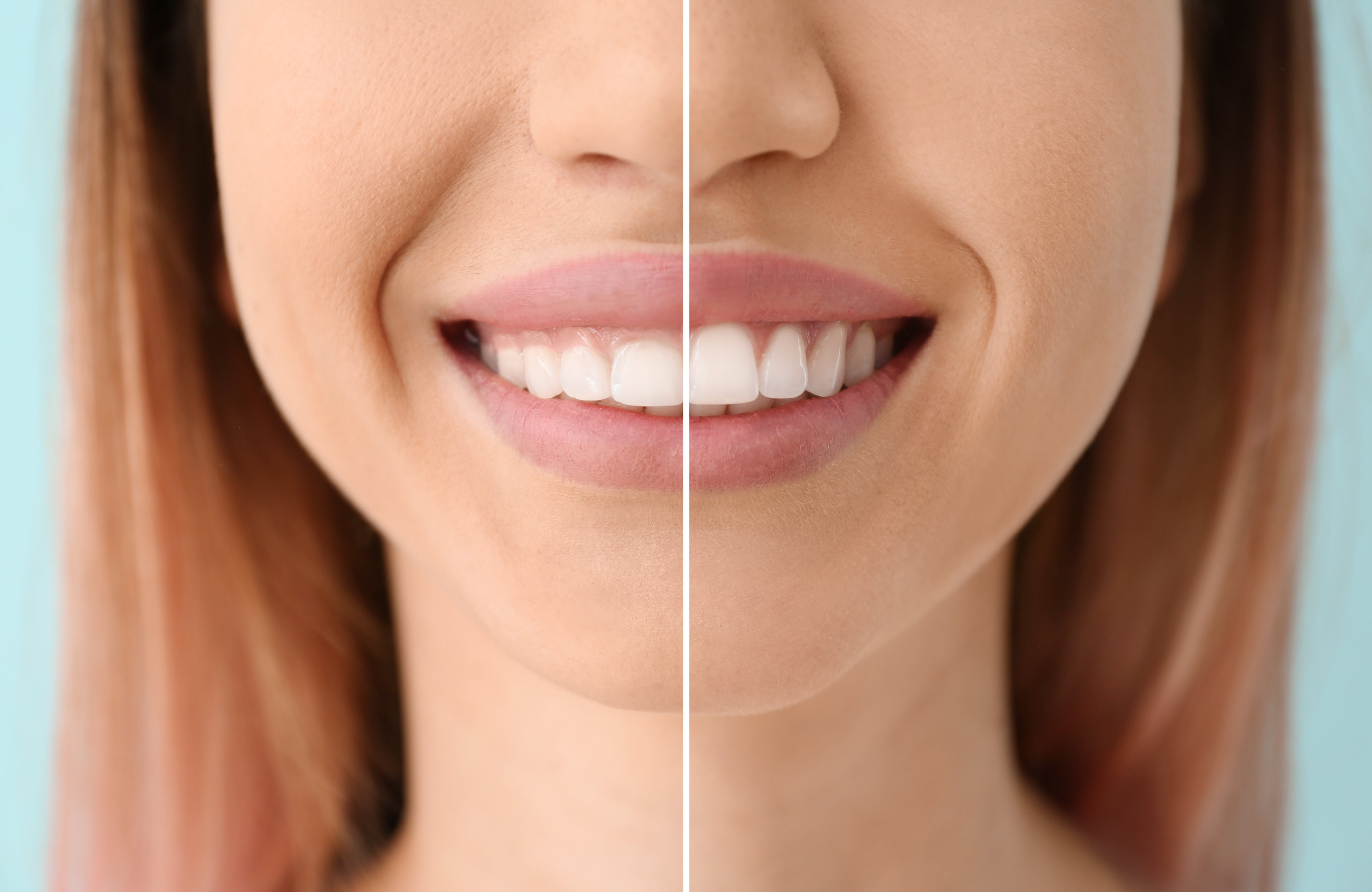
Whitening strips remain one of the most popular teeth whitening products for achieving a brighter smile at home. Many people ask whether whitening strips can harm their gums, and in many cases, opting for Professional Teeth Whitening for Sensitive Gums is a much safer alternative. Understanding how whitening strips, whitening gel, and bleaching agents work is essential to prevent temporary gum irritation, sensitivity, or even chemical burns on soft tissue.
Using teeth whitening strips incorrectly or overusing them can lead to gum and tooth irritation. Hydrogen peroxide and carbamide peroxide, the most common bleaching agents in whitening gels, are effective for removing surface stains on natural teeth. However, when these agents contact the oral cavity’s soft tissue, mild chemical burns, gum pain, and burned gums from teeth whitening may occur.
How Whitening Strips Affect Gum Tissue
Whitening strips are designed to adhere to the teeth and release whitening agents gradually. The most widely used agents are hydrogen peroxide and carbamide peroxide. These bleaching agents penetrate the tooth enamel to remove discoloration, giving teeth a brighter appearance.
When whitening gel touches the gums or soft tissue, it can cause temporary gum irritation. Users often experience mild gum irritation, burned gums, or sensitivity and gum irritation near the gumline. Overusing whitening strips amplifies the risk of chemically burned gums and injured gums, especially when the bleaching gel overlaps onto the oral cavity’s soft tissue.
Most whitening strips are formulated for natural teeth, but each mouth varies in shape and gumline height. Misalignment of strips can lead to whitening gel touching gums and causing gum pain or a teeth whitening burn. Tooth enamel can also experience temporary sensitivity when exposed to hydrogen peroxide, damaging its surface.
Signs of Whitening Strips Damage Gums
Understanding the warning signs of whitening strips damage to gums can prevent permanent damage and ensure safe teeth whitening treatments. Common indicators include:
Mild or Temporary Gum Irritation
Users may notice redness, tenderness, or slight swelling after using whitening strips. This is often temporary gum irritation and usually resolves after discontinuing the whitening treatment.
Tooth Sensitivity
Hydrogen peroxide or carbamide peroxide in whitening gel can cause tooth irritation or heightened sensitivity. Pain gradually subsiding is common, but prolonged exposure can increase sensitivity to hot or cold foods.
Chemical Burns
In some cases, when whitening agents touch soft tissue for too long, mild chemical burns or burned gums occur. Lingering bleaching product on gums from teeth whitening can lead to discomfort and irritation.
Uneven Whitening
If whitening strips do not cover the teeth evenly or overlap the gums, surface stains may be removed inconsistently, resulting in patchy whitening.
How to Prevent Burned Gums From Teeth Whitening
Following proper application and safety measures can help prevent burned gums and gum irritation during the whitening process.
Apply Strips Carefully
Position whitening strips to cover only the teeth, avoiding the gumline. Wipe away excess whitening gel immediately to prevent whitening agents from touching soft tissue. Most whitening strips are safe when used according to instructions, but precision is key to avoiding gum injury.
Stick to Recommended Usage
Avoid overusing whitening strips or leaving them on longer than directed. Overuse can cause gum pain, tooth irritation, and permanent damage to the gums in severe cases. Allow teeth and gums to recover between treatments to minimize sensitivity and gum irritation.
Maintain Good Oral Hygiene
Use fluoride toothpaste and gentle oral care practices after teeth whitening treatment. Brushing with a soft-bristle toothbrush and rinsing the oral cavity helps prevent lingering bleaching product from harming gum tissue. Avoid acidic or very hot or very cold foods until sensitivity and gum pain gradually subside.
Consider Professional Teeth Whitening
Professional teeth whitening treatment under a trusted cosmetic dentist provides controlled application of whitening agents. Dental professionals can apply teeth whitening gel without risking hydrogen peroxide damaging gum tissue, reducing the chances of gum and tooth irritation. Professional teeth whitening treatments can safely brighten teeth without causing burned gums.
When Whitening Strips May Not Be Suitable
Whitening strips may not be ideal for everyone. People with gum disease, sensitive gums, thin enamel, or exposed roots should exercise caution. Whitening products can aggravate preexisting conditions, leading to pain and longer-lasting irritation. Individuals with dental restorations should also consult a cosmetic dentist because whitening agents may not alter crowns or veneers, resulting in uneven whitening.
Managing Sensitivity and Gum Irritation
If mild gum irritation or tooth sensitivity occurs, several steps can help:
- Rinse the oral cavity with lukewarm water to remove any residual whitening gel.
- Use a soft toothbrush and fluoride toothpaste to maintain enamel and gum health.
- Limit consumption of hot or cold foods while sensitivity gradually subsides.
- Avoid overusing whitening strips or whitening products until teeth and gums fully recover.
- Seek advice from a dental professional if irritation persists or worsens.
Treat burned gums promptly to prevent long-term damage. Gentle oral care and professional evaluation are key to ensuring safe whitening treatments.
Advantages of Safe Whitening Treatments
Using teeth whitening strips and bleaching treatments carefully allows you to enjoy a brighter smile without harming gum tissue. Proper application of whitening agents removes surface stains efficiently while minimizing tooth enamel and gum damage. Professional teeth whitening treatments ensure the bleaching agent touches only the teeth and not the soft tissue.
Combining whitening strips with whitening toothpaste can help maintain results while supporting oral health. Following safe practices reduces the risk of permanent damage to gums and ensures a comfortable, effective whitening process.
Conclusion
Whitening strips can damage gums if the whitening gel touches soft tissue or if strips are overused. Hydrogen peroxide and carbamide peroxide are effective for whitening teeth, but misapplication can lead to burned gums from teeth whitening, tooth irritation, or uneven whitening. Temporary gum irritation and tooth sensitivity are common but usually resolve with proper care.
Prevent burned gums by following instructions, avoiding overuse, and maintaining gentle oral care. Consider professional teeth whitening treatment for safe application of bleaching agents and optimal results. Consulting Purple Plum Dentistry ensures that teeth whitening products and whitening treatments enhance your smile without compromising gum health. Safe whitening treatments combined with good oral hygiene provide brighter teeth, reduce tooth sensitivity, and protect the gums for long-term oral health.
Benefits of Periodontal Therapy
Periodontal therapy offers several significant benefits that extend beyond just oral health. Here are four key benefits:
One of the primary benefits of periodontal therapy is the prevention of tooth loss. Periodontal disease, if left untreated, can lead to the destruction of the bone and connective tissue that support the teeth.
Periodontal disease is associated with chronic inflammation, which can have adverse effects on overall health. By treating periodontal disease, patients can reduce systemic inflammation, potentially lowering the risk of related health conditions such as cardiovascular disease, diabetes, and rheumatoid arthritis.
Periodontal therapy helps improve oral hygiene by thoroughly cleaning the pockets around the teeth, which are difficult to clean with regular brushing and flossing alone.
Healthier gums appear firm and pink, which contributes to an overall more attractive smile. Additionally, periodontal treatment can stabilize teeth and prevent further recession, helping patients maintain a youthful and confident appearance.