purple plum aesthetics blog
Can Dental Crowns Cause Cancer?
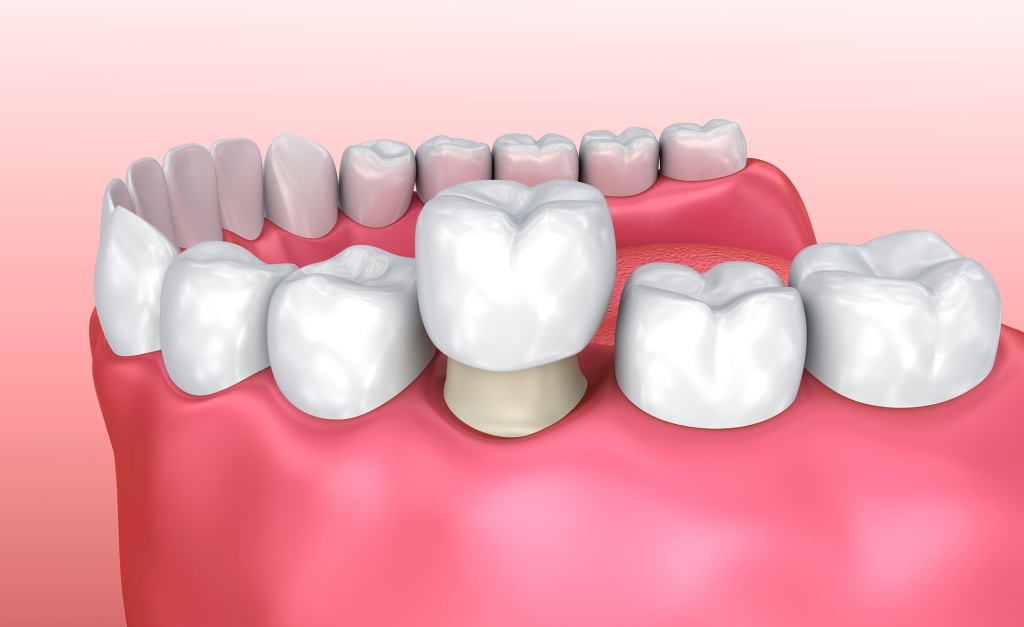
If you have been told that you need a dental crown, you may have searched online and wondered, " Can dental crowns cause cancer? It is a reasonable question when a restoration will remain in your mouth for many years. The good news is that dental crowns are widely used to restore damaged teeth, and current evidence does not show that properly selected and placed dental crowns cause cancer. Dental materials are evaluated for how they interact with oral tissues, and dentists consider factors such as material composition, durability, fit, and patient needs when selecting a restoration.
Understanding what crowns are made from, how they interact with the mouth, and what symptoms deserve attention can make the decision much easier.
What Is a Dental Crown?
A dental crown is a custom restoration that covers a damaged or weakened tooth. It is designed to restore the tooth's shape, function, strength, and appearance while protecting the remaining natural tooth structure.
Crowns are commonly used when a tooth has extensive decay, a large filling, a significant fracture, or has undergone root canal treatment. They may also be recommended when there is not enough healthy tooth structure for a traditional filling to provide reliable support.
The crown itself becomes part of the tooth's functional surface. Because it remains in the mouth for many years, the material needs to be suitable for contact with saliva, food, gums, and surrounding teeth. Modern dentistry offers several crown materials, including ceramic, porcelain, zirconia, and metal-based options.
The choice depends on where the crown is being placed, the amount of chewing pressure the tooth receives, the appearance desired, and the condition of the tooth.
Can Dental Crowns Cause Cancer?
Current evidence does not establish that dental crowns cause cancer. Questions about dental crowns and cancer often arise because some crowns contain metal alloys or other materials that patients may associate with health risks.
Dental materials are evaluated for biological compatibility because they remain in close contact with oral tissues. Research into dental materials considers issues such as irritation, allergic reactions, toxicity, corrosion, and how materials interact with surrounding tissues. These concerns are different from demonstrating that a dental crown causes cancer.
A crown can occasionally cause a local problem without being associated with cancer. For example, an improperly fitting restoration may contribute to gum irritation or allow plaque to accumulate around its margins. A person may also experience sensitivity or an allergic response to a particular material.
Those possibilities are reasons for proper dental assessment and material selection. They are not evidence that dental crowns themselves cause cancer.
Why Are People Concerned About Dental Crowns and Cancer?
Much of the confusion comes from discussions about metals, dental materials, and chemical exposure. Certain substances can be harmful under particular conditions or at sufficiently high exposures. That does not mean that every dental restoration containing a particular element creates the same risk.
Concerns about metal crowns
Some dental crowns contain metal alloys. People may become concerned after reading that certain metals can cause allergic reactions or have harmful effects in specific forms and circumstances.
Dental alloys are not all the same. Their composition, stability, corrosion resistance, and biological behavior can differ significantly. Modern dental treatment involves choosing materials that are appropriate for use in the oral environment.
A patient's history also matters. Someone with a known metal sensitivity may need a different restoration material. Discussing previous reactions with your dentist can help guide the selection process.
Concerns about chemicals
Patients sometimes encounter online claims suggesting that chemicals released from dental materials can lead to cancer. Dental materials can be studied for chemical release and biological effects, but laboratory findings do not automatically mean that a material causes disease in people at the exposure levels experienced during normal dental treatment.
The important question is whether there is reliable evidence connecting the specific dental material used in a crown with cancer in patients. Current evidence does not establish dental crowns as a cause of cancer.
Are Dental Crowns Safe?
For most patients, dental crowns are considered safe when the appropriate material is selected, and the restoration is properly designed and placed. The materials used in dentistry have been developed with their contact with oral tissues in mind.
The question of whether dental crowns are safe is also connected to the health of the tooth underneath. A crown protects a tooth, but it does not make the tooth immune to future problems. Decay can still develop around a crown if plaque remains along the gumline. Gum inflammation can also occur when oral hygiene is poor.
Good dental care therefore remains important after receiving a crown. Brushing, cleaning between the teeth, and attending regular dental appointments help protect both the restoration and the natural tooth.
At Purpleplum Dentistry, patients receive personalized care in a comfortable environment, with private rooms available for major procedures and a private consultation room for discussing treatment.
What Materials Are Used for Dental Crowns?
Different crown materials have different characteristics. Your dentist considers the location of the tooth, bite forces, cosmetic expectations, and overall oral health before recommending an option.
Ceramic and porcelain crowns
Ceramic and porcelain crowns are popular because they can closely resemble natural teeth. They are particularly useful when appearance is a major consideration.
These materials are designed to function in the mouth while providing a natural-looking result. Their performance depends on factors such as design, thickness, placement, bite forces, and proper care.
Zirconia crowns
Zirconia is a ceramic material known for its strength and durability. It can be used for teeth that experience significant chewing forces while still offering an attractive appearance.
Like any restoration, zirconia crowns need proper planning and an accurate fit. The material itself is only one part of the overall result.
Metal-based crowns
Some crowns use dental alloys because of their strength and resistance to wear. Different alloys have different compositions, so the term metal crown does not refer to one single material.
Patients with known sensitivities should tell their dentist before treatment. Material selection can then take individual needs into account.
Can Dental Crowns Be Harmful?
The question of whether dental crowns can be harmful needs to be considered in context. A crown is intended to restore and protect a tooth, but complications can occur with any dental restoration.
Problems may result from poor fit, damage to the crown, decay around the restoration, excessive bite pressure, or an unhealthy tooth underneath. These issues are generally related to the condition and function of the restoration rather than cancer.
Poorly fitting crowns
A crown should fit closely around the prepared tooth and work naturally with the surrounding teeth. If the fit is poor, food and plaque may collect around the margins, potentially contributing to gum irritation or decay.
An uncomfortable crown should not simply be ignored. Your dentist can examine the fit and determine whether an adjustment or other treatment is needed.
Damage or wear
Crowns can chip, crack, loosen, or wear over time. Grinding and clenching can place additional pressure on a restoration.
A damaged crown may expose the tooth underneath or affect the way your teeth come together. Prompt evaluation can help prevent further problems.
Problems with the underlying tooth
A crown covers the visible part of a tooth, but the natural tooth remains underneath. Decay or infection can still affect that tooth.
Regular dental examinations allow the crown and the surrounding structures to be monitored. This is one reason a crown should be treated as part of an ongoing oral health plan rather than as a permanent replacement for dental care.
What Is Dental Crown Safety Really About?
Dental crown safety is not only about asking whether the material is safe. A restoration also needs to be appropriate for the tooth, accurately fitted, properly maintained, and regularly monitored.
The condition of the gums matters too. Healthy gum tissue helps support a clean environment around the crown. Daily brushing and cleaning between the teeth can reduce plaque buildup along the restoration's edges.
Your bite is another consideration. If you clench or grind your teeth, the additional pressure may affect the crown and the natural teeth around it. Identifying these habits can help your dentist plan treatment more effectively.
A well-chosen crown combined with good oral hygiene and regular dental care can provide dependable service for many years.
Are There Symptoms That Should Be Checked?
Certain changes around a crowned tooth deserve professional attention. These symptoms do not mean that you have cancer, but they can indicate that the crown or the underlying tooth needs evaluation.
Persistent pain, swelling, bleeding gums, sensitivity, a loose crown, a visible crack, or discomfort when biting can all have several possible causes. Decay, gum inflammation, infection, bite problems, or damage to the restoration may be involved.
An unusual sore or area in the mouth that does not heal should also be evaluated by a dental professional. Oral health examinations are designed to identify many different conditions, including problems that may have nothing to do with a crown.
The safest approach is not to assume that a symptom is caused by the restoration. Having the area examined gives your dentist an opportunity to determine the actual cause.
Can You Avoid Metal Crowns?
Patients who are concerned about metal may have nonmetal options depending on the tooth and their individual needs. Ceramic and zirconia restorations can provide alternatives in many situations.
That does not mean one material is automatically better for every patient. Back teeth experience significant chewing forces, while front teeth have different cosmetic and functional requirements. Your dentist needs to consider the entire situation before recommending a material.
If you have a known allergy or sensitivity, share that information during your consultation. It can be useful when deciding which restoration is appropriate.
For patients who need to restore damaged teeth or replace older restorations, dental crowns and bridges can provide an option for rebuilding both function and appearance.
How Can You Protect Your Crown and Oral Health?
Taking care of a crown is similar to taking care of your natural teeth. Brush twice a day, clean between your teeth, and keep regular dental appointments. Avoid chewing extremely hard objects or using your teeth to open packages.
If you grind your teeth, tell your dentist. Excessive pressure can damage both crowns and natural teeth. Your dentist can discuss ways to protect your smile if grinding or clenching is contributing to wear.
Pay attention to changes as well. A crown that suddenly feels loose, painful, sensitive, or different when you bite should be checked.
Regular examinations also allow your dentist to monitor the gumline and the natural tooth beneath the crown. Maintaining the surrounding tissues is an important part of long term restoration care.
What Should You Ask Your Dentist Before Getting a Crown?
A consultation is a good opportunity to discuss the material being recommended and why it suits your particular tooth. You can ask how the crown will be fitted, what alternatives are available, and how you should care for it after treatment.
Patients who are concerned about materials can also discuss allergies, sensitivities, previous dental reactions, and cosmetic preferences. Having this conversation before treatment allows the dentist to consider those factors when planning the restoration.
It is also helpful to understand why a crown has been recommended in the first place. Knowing the condition of the natural tooth and the goal of treatment can make the process feel much more straightforward.
Conclusion
So, can dental crowns cause cancer? Current evidence does not establish dental crowns as a cause of cancer. Modern crowns are made from materials selected for their function and compatibility with the oral environment, while dentists consider the patient's individual needs when choosing a restoration.
Concerns about materials should still be taken seriously and discussed with your dentist, especially if you have known sensitivities or previous reactions. Proper placement, good oral hygiene, regular dental visits, and attention to changes around a crown can help keep your restoration and the surrounding tooth healthy.
Frequently Asked Questions
Are dental crowns safe?
Yes, dental crowns are generally considered safe when the appropriate material is selected, and the restoration is properly fitted. Your dentist can choose a material based on your tooth, bite, oral health, and individual needs.
Can dental crowns cause cancer?
Current evidence does not establish dental crowns as a cause of cancer. Concerns about certain materials are usually related to issues such as sensitivity, irritation, or material compatibility rather than a demonstrated cancer risk.
Can dental crowns be harmful?
A crown can cause problems if it is damaged, poorly fitted, or placed over a tooth with an underlying issue. Regular dental care helps identify these concerns and protect the tooth beneath the restoration.
Are metal dental crowns safe?
Metal-based crowns have been used in dentistry for many years. Different alloys have different compositions, so patients with known metal sensitivities should discuss their history with their dentist before treatment.
Is zirconia a safe material for dental crowns?
Zirconia is a ceramic material commonly used for dental restorations because of its strength and favorable compatibility with oral tissues. Your dentist can determine whether it is appropriate for your particular tooth.
Should I replace my crown because I am worried about cancer?
A crown does not normally need to be replaced simply because of a fear that it may cause cancer. If you have concerns about an older crown or its material, discuss them with your dentist so its condition and suitability can be evaluated.
Visit Purple Plum Dentistry in Falls Church, VA
Purple Plum Dentistry, Falls Church, VA
800 W Broad St, Suite 207, Falls Church, VA 22046
703-998-4244
Opening hours:
Monday: 7:30 AM–4 PM
Tuesday: 7:30 AM–4 PM
Wednesday: 7:30 AM–4 PM
Thursday: Closed
Friday: 7:30 AM–4 PM
Saturday: Closed
Sunday: Closed
A consultation takes about 45 minutes. We photograph your smile, talk through your options and cost, and you leave with a written plan. There is no pressure to book treatment on the day.
Benefits of Periodontal Therapy
Periodontal therapy offers several significant benefits that extend beyond just oral health. Here are four key benefits:
One of the primary benefits of periodontal therapy is the prevention of tooth loss. Periodontal disease, if left untreated, can lead to the destruction of the bone and connective tissue that support the teeth.
Periodontal disease is associated with chronic inflammation, which can have adverse effects on overall health. By treating periodontal disease, patients can reduce systemic inflammation, potentially lowering the risk of related health conditions such as cardiovascular disease, diabetes, and rheumatoid arthritis.
Periodontal therapy helps improve oral hygiene by thoroughly cleaning the pockets around the teeth, which are difficult to clean with regular brushing and flossing alone.
Healthier gums appear firm and pink, which contributes to an overall more attractive smile. Additionally, periodontal treatment can stabilize teeth and prevent further recession, helping patients maintain a youthful and confident appearance.